
As part of OFA’s commitment to improving biodiversity in the west Oxford floodplain, steering-group member Simon Collings has been recording butterflies in the area. In 2023 he carried out a survey of species present in the floodplain and shared the results with the Environment Agency ecologists working on the Oxford Flood Alleviation Scheme. This year (2024) Simon set up a transect under the UK Butterfly Monitoring Scheme (UKBMS) . He and two volunteers conducted weekly surveys from April to September. Results have been shared with the EA.
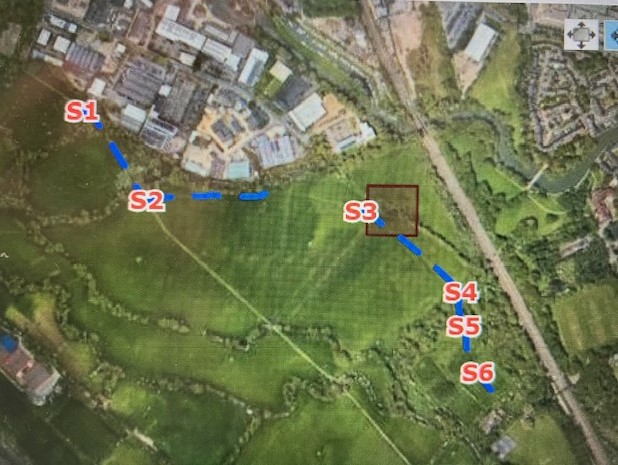
The 1 km transect route starts on the Electric Road near Osney Mead, follows informal paths across the meadow to the south of the Bulstake Stream, and finishes at Hogacre Eco Park. The route was planned with the directors of the Eco Park, and with the EA ecologists.
Why is OFA doing this?
‘The idea was to establish a baseline prior to the EA building the flood alleviation scheme,’ Simon explains. ‘I knew from surveying in 2023 that Hogacre is relatively rich in butterflies. The Hogacre trustees are keen to gather more data on biodiversity at the site and the formal methodology of the transect helps provide some of that. The first three sections of the transect, in contrast, are across land where the EA will be introducing improved species-rich grassland, hedges and trees. Over time the butterfly population here should increase.’
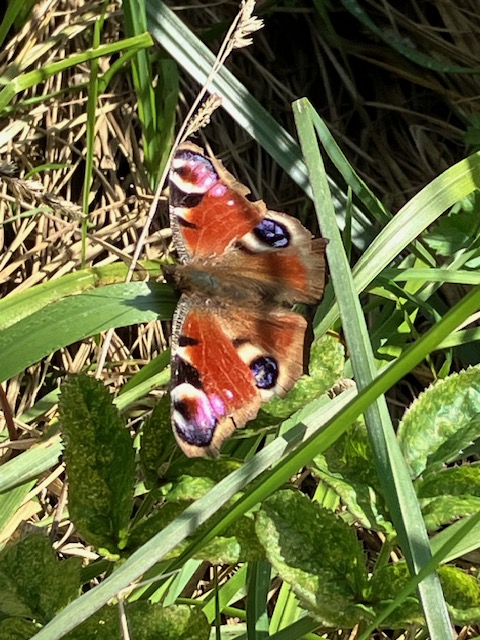
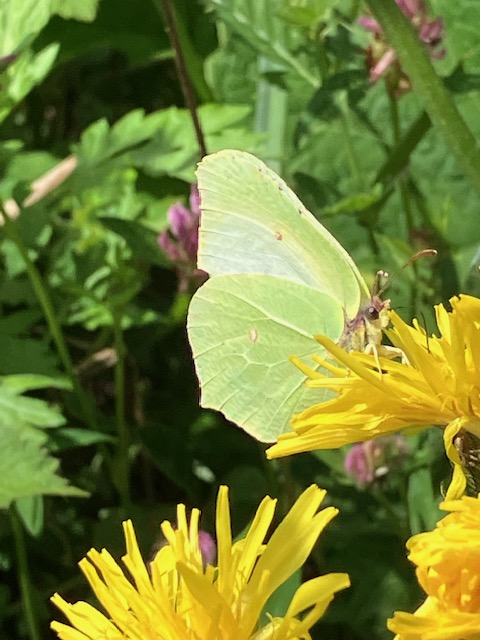
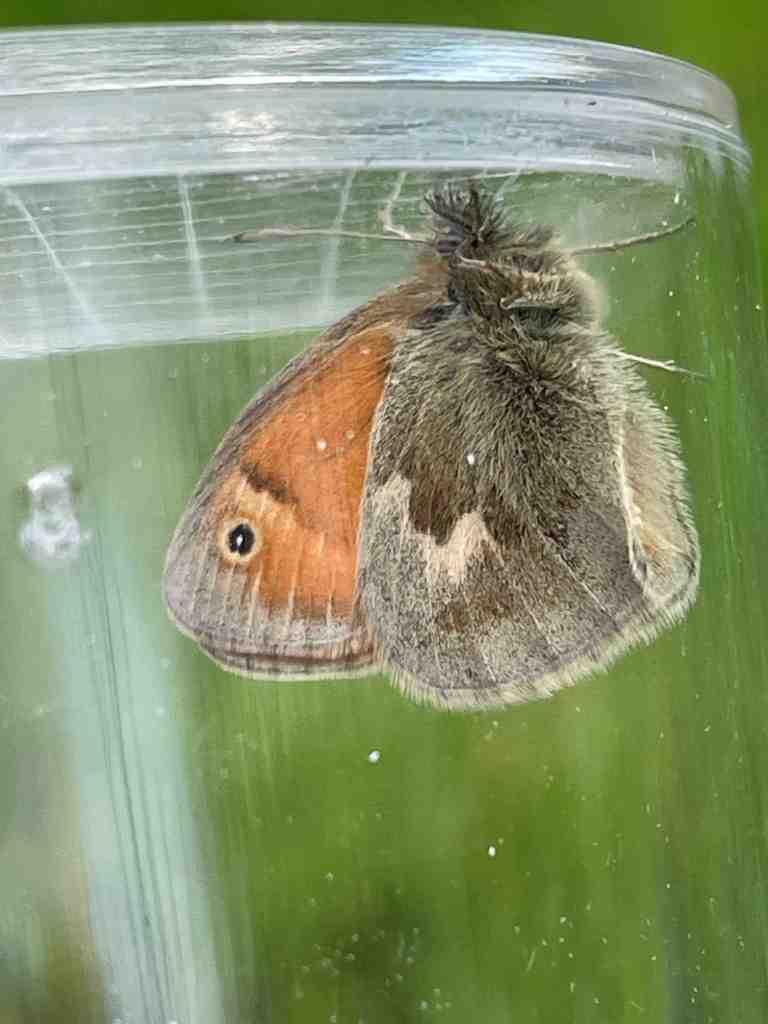
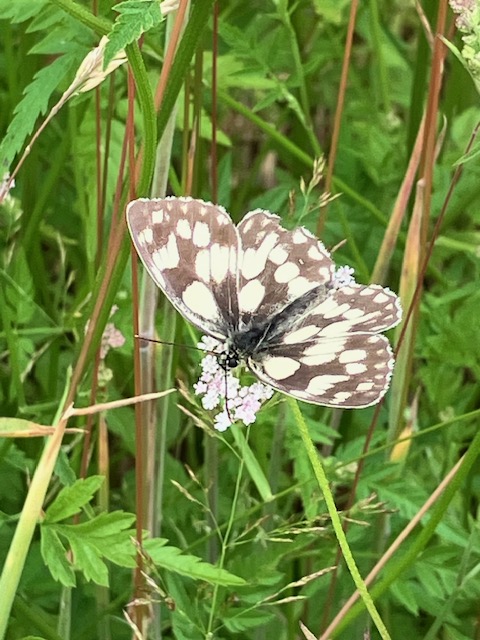
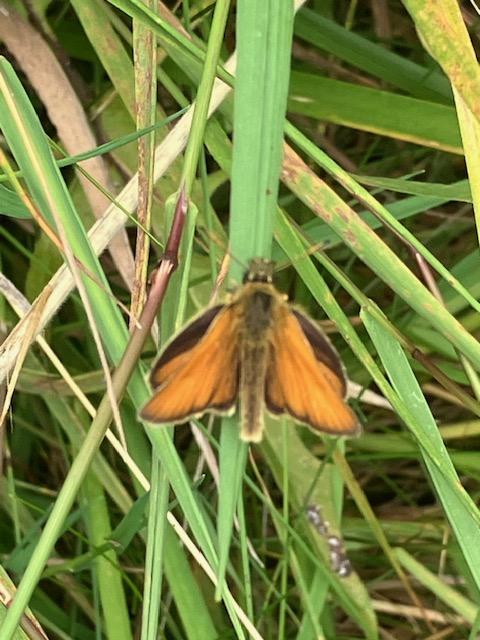
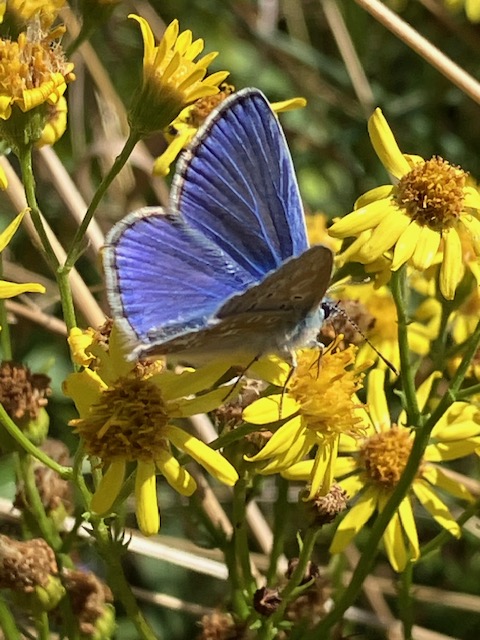
This year has not been good for butterflies, with numbers down hugely across the UK. This is reflected in the results obtained locally compared with Simon’s observations in 2023. A total of 161 butterflies, representing 18 species, were recorded along the transect. Of these 122 (76%) were in the scrub and meadow at Hogacre. The most commonly recorded species were meadow brown (48) and gatekeeper (45).
How does it help improve biodiversity?
The transect methodology gives a measure of relative abundance which can be compared with other sites and which can be tracked annually to show increases or declines in populations and species. Butterflies are highly sensitive to changes in the environment and for this reason are used nationally as an indicator of environmental health.
Surveying on the transect uses a precise methodology and the records submitted to UKBMS are checked by an expert. Simon’s 2023 sightings were submitted to iRecord where again records are verified by experts.
‘OFA sees the biodiversity elements of the flood alleviation scheme as an opportunity to support wildlife in the area,’ Simon says. ‘To maximise this we want to engage local people in citizen science and conservation activity, working in partnership with the EA.’
Landowners in the area, including some Oxford University colleges, are already involved in floodplain-meadow restoration. There are a lot of resources in the city to draw on. OFA believes we could create something significant here which connects up with other biodiverse areas in the county. The river system is an obvious wildlife corridor.
Simon is a member of Butterfly Conservation and also records on a 4.5 km UKBMS transect at Wytham run by the Centre for Ecology and Hydrology. More information on butterflies at Hogacre can be found here.
 oxford flood alliance