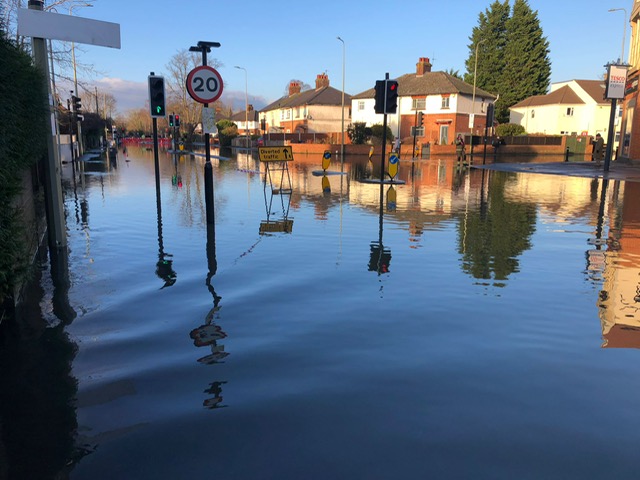
BBC One this morning (2 October) re-broadcast a feature on flood preparedness featuring OFA streeing group member Adrian Porter. The story was first aired in July 2023 to raise awareness of flooding and the need for households and businesses to be prepared. This time the item focused on what it’s like to be flooded, using Adrian’s reflections from 2007, and then switched to someone being rescued from a flooded vehicle by Oxford Fire & Rescue.
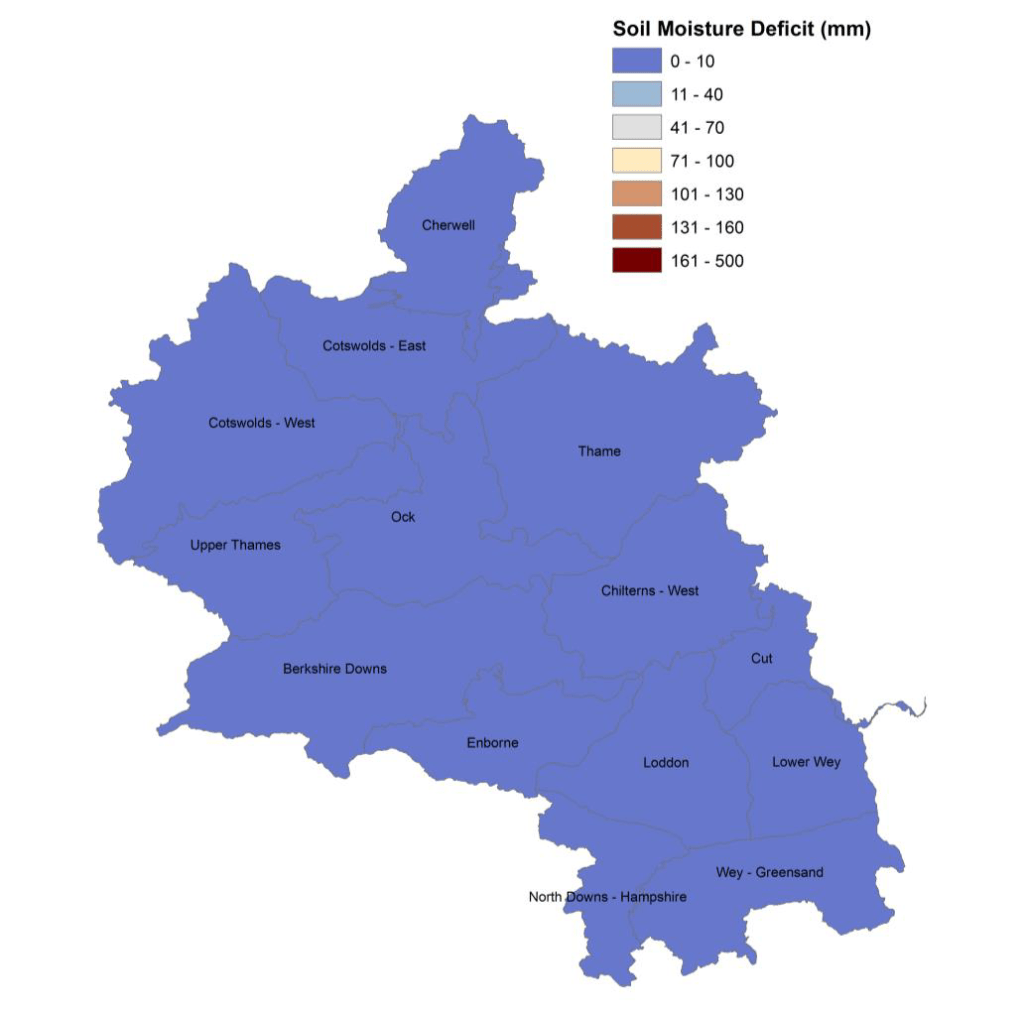
After record levels of rain on 23 September the catchment has limited capacity to absorb more water, and it will take time to drain. Further storms could cause the Thames to rise more quickly than we’ve seen over the last week. As we head into winter we all need to be prepared.
Adrian Porter on BBC One, Morning, Live 2 October 2024
The Environment Agency updated it’s flood alert for the Thames and tributaries in the Oxford area this morning. The update reads as follows:
Property flooding is not currently expected.
River levels are high on the River Thames as a result of heavy rainfall. Therefore, flooding of low lying land and roads is expected to continue today, Saturday. Today is expected to be dry. Sunday will start out dry followed by rain in the afternoon. We expect river levels to remain high over the next 24-48 hours as water moves downstream.
We are monitoring the situation. Our staff are managing weirs on the River Thames to reduce flood risk. Avoid using low lying footpaths near local watercourses. Go to the ‘River and Sea levels in England’ webpage for current river levels. This message will be updated tomorrow morning (29/09/2024), or as the situation changes.
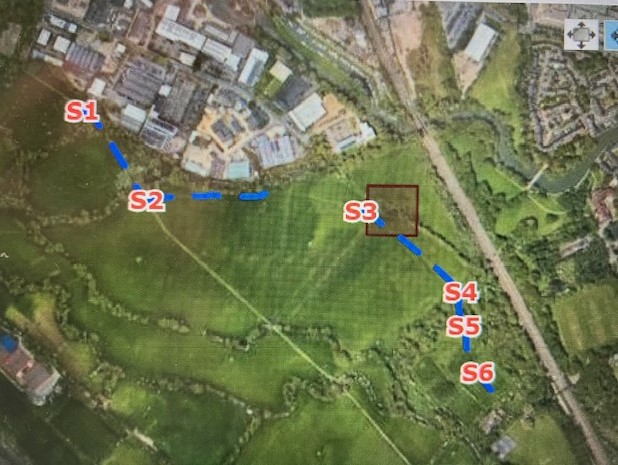
Around 30 delegates to a British Hydrological Society (BHS) symposium in Oxford took part in a field trip to South Oxford on 24 September. Oxford Flood Alliance member Simon Collings, Richard Harding of the Environment Agency and David Macdonald, hydrogeologist and South Oxford resident, co-hosted the visit, which they helped design.
The delegates had spent two days discussing developments in flood modelling and forecasting in the UK and internationally. Predicting the impacts of flood hazards is complex and takes into account many elements. These include the nature of the catchment, the ground conditions, groundwater levels, surface-water runoff, volume and intensity of rainfall, and sewer infrastructure.
Researchers are working to improve our understanding of each of these components and build integrated models to help better represent what happens during an event. The field visit provided an opportunity to learn about a specific flood-affected community, the measures being taken to reduce flood risk, and to think about the future application of some of the monitoring and forecasting tools presented at the symposium.
One topic of discussion was groundwater monitoring. In South Oxford this is currently very limited, with scope to improve data collection and potential benefits in using river data to indicate the likelihood of groundwater-related flooding. Some work is about to start on this with support from Project Groundwater, a government-funded initiative aiming to fill some of the gaps in our understanding of groundwater flooding. OFA is currently working with Project Groundwater to set up a flood group in the South Oxford area.
The Environment Agency has now issued a flood alert for the whole of the Thames from it’s source down to Twyford. The flood alert for Oxford, including areas between Wolvercote down to and including Radley and Jericho, reads:.
Property flooding is not currently expected. River levels are rising on the River Thames as a result of heavy rainfall over the weekend and earlier this week. Therefore, flooding of low lying land and roads is expected today, Wednesday 25/09/2024. Further rainfall is forecast over the next 24-48 hours. We expect river levels to continue rising slowly over the next few days. We are monitoring the situation. Our staff are managing weirs on the River Thames to reduce flood risk. Avoid using low lying footpaths near local watercourses. Go to the ‘River and Sea levels in England’ webpage for current river levels. This message will be updated this afternoon, 25/09/2024, or as the situation changes.
The Thames and it’s tributaries upstream of Oxford have remained largely within their normal range and appear to be stabilising today, 25 September. Flow at Farmoor is just over 42 cumex, well below levels typically seen during flood events, and flow seems to be levelling off. The Environment Agency has said it expects rivers to stabilise during the day.
Various locations in Oxfordshire have experienced flooding, principally from surface water runoff, drainage systems being unable to cope with the sheer volume of water. The Cherwell, Ray and Thame rivers are also high and flood warnings are in place along stretches of these rivers, including near Banbury, Kidlington, and Abingdon. Flood alerts have been issued for some upstream sections of the Thames, but there are no alerts currently in Oxford city.
The Environment Agency is continuing to monitor the situation.
At 13.00 today, 23 September, the Osney rain gauge showed 67 mm of rainfall in the previous 24 hours, with heavy rain still falling. The average rainfall for September in Oxford is 54.38 mm.
Rainfall has been heavy across the catchment and clearly there will be a lot of water draining into the Thames over the coming days. Rivers are within their normal range currently, though rising in many places. Flood alerts have not yet been issued by the Environment Agency for Oxford but residents should monitor river levels and keep a watch on the situation.
Lots of reports of surface water flooding, school closures, traffic disruption appearing in the media.
Oxford Flood Alliance has responded to the consultation on the latest update to the Local Flood Risk Management Strategy for Oxfordshire. There is mush in the document which we agree with. We have made comments on four areas where we believe flood risk management practice could be strengthened:
The document recognises that flood risk management cannot be delivered without the engagement of local communities. But there is no central list of community flood groups and flood wardens across the county, no regular formal engagement with this community, and it can be difficult for members of the community to secure engagement from the various agencies. This needs to improve is we are to build a network of resilient communities in Oxfordshire.
Thames Water is assigned responsibilities under the strategy but based on past experience the likelihood of them failing to meet these obligations is, in our view, high. We do not believe the measures proposed in the strategy for securing Thames Water’s cooperation are strong enough.
Maintenance of existing waterways is important for flood risk management. With successive cuts to its budget the Environment Agency no longer has the resources it once had and is forced to prioritise where it intervenes. In the short term more transparent communication with members of the public about priorities would help. In the longer term maintenance needs more resources.
There are useful comments in the document about Sustainable Urban Drainage Systems (SuDS). We are urging the local flood risk management authorities to also think about additional techniques for reducing runoff, in particular use of water catchment and reuse systems of the kind currently being proposed for two large developments in the city.
Oxford Flood Alliance has alerted the Environment Agency to a fallen tree and accumulating debris which is blocking the Bulstake Stream at the Hinksey Causeway bridge near Osney Mead. This could interfere with river flows if we have flooding this winter. We’ve been told that the EA field team will be working on the Bulstake Stream towards the end of August, and have been made aware of the problem. This should be resolved as they come through the area.
OFA is also following up on maintenance issues at Weirs Mill with the EA and relevant riperian landowners.
The Oxford Mail ran a report yesterday on the County Council approval of the Oxford Flood Alleviation scheme, including a quote from OFA. The story is here.
Simon Collings from Oxford Flood Alliance was interviewed this morning by BBC Radio Oxford. This followed the decision by Oxfordshire County Council to approve the planning application for the Oxford Flood Alleviation Scheme. The interview lasted around 7 minutes and was broadcast live on the Sophie Law show at 7.20am.
Simon described the experience of being flooded in 2007, the formation of OFA, and the amount of work which has gone into the design of OFAS. Questioned about biodiversity, Simon said: ‘I record butterflies for the UK Butterfly Monitoring Scheme, so I am as concerned as anyone about biodiversity.’ While there will be short-term disruption, Simon said, the management of the floodplain as a single entity with a goal of improving biodiversity will be better for nature in the long run.
The BBC also published a story yesterday on the County Council’s approval of the scheme in which Simon is quoted.