Earl Street, Duke Street and Bulstake Close were badly affected by flooding in 2000, 2003 and 2007. In the past year four things have been done (or are about to be done) to help:
1. Oxfordshire County Council has installed a culvert from the south end of Duke Street onto King George’s Meadow beyond.
2 . The footpath at the bottom of Earl Street has been recontoured to improve the flow of water into the alleyway leading to Duke Street.
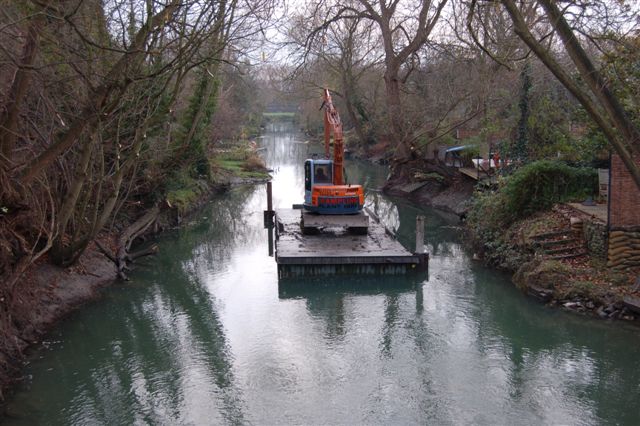
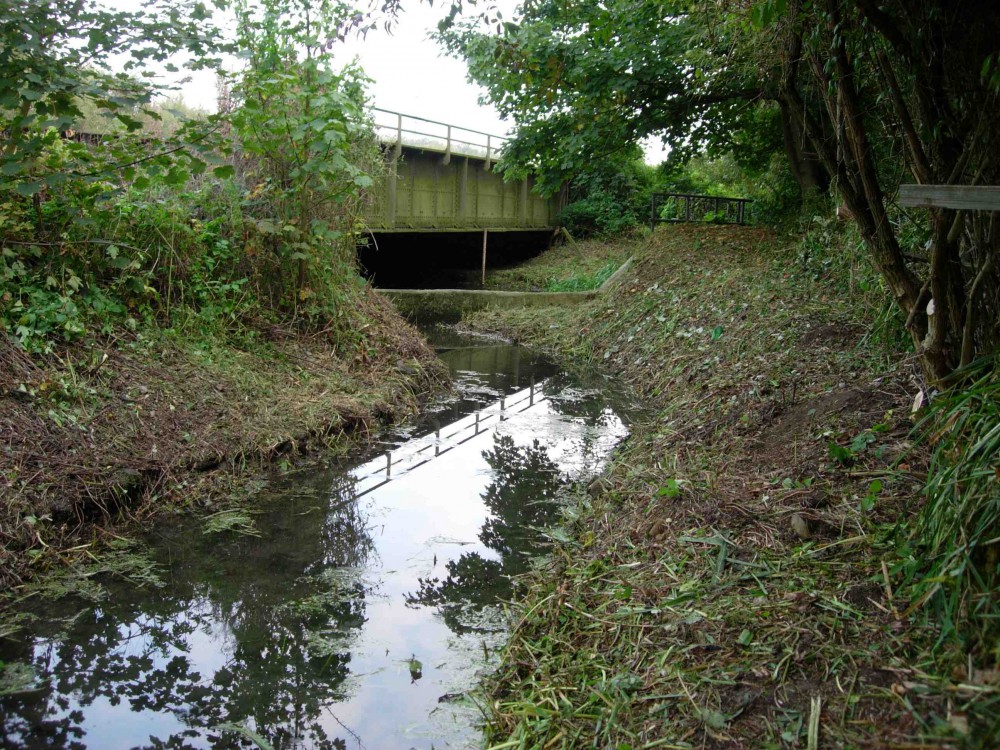
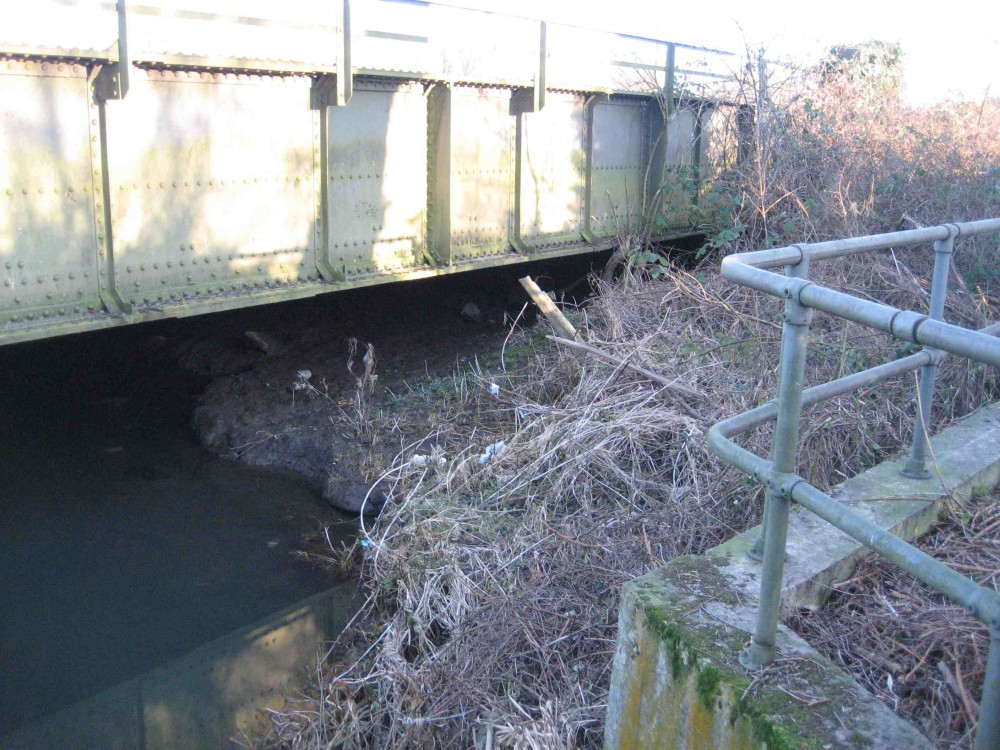
3 . Clearance of Osney Ditch and the Bulstake and Seacourt Streams south of the Botley Road in Autumn / Winter 2008 by the EA.
4 . Improvements at Redbridge are due to be carried out in March 2009. This should benefit everyone upstream.
As discussed on the Background page the flooding in these streets is a tricky and complicated problem; there is no quick fix. OFA has put forward a number of suggestions over the past year; getting progress has been slow because of the complexity and interdependence of many factors, the need to deal with several agencies and the scale and cost of some potential remedies.
Setting up a dedicated group would, we hope, help achieve results and so we proposed to the EA and to the Oxford Area Flood Partnership (OAFP) that an Inter-Agency Working Party be set up to consider this area, produce solutions and implement them. This was formally agreed to at an OAFP meeting in January 2009. The first meeting should be held in February or early March 2009. Members of this group will come from the EA, Thames Water, Oxford City Council, Oxfordshire County Council and OFA. Edit: held March 19th 2009.
OFA intends that this should be a main focus for action during 2009. We have a number of ideas which we believe merit consideration:
1. Installation of a culvert from Earl Street to King George’s meadow.
2. Alteration of the drains so that water entering the drains north of the Botley Road does not end up in Duke and Earl Streets as it does at present. Thames Water and Oxford City have already begun to examine this.
3. Reprofiling the Botley Road so that floodwater which at present flows across it into Earl and Duke Streets no longer does so. Instead it could be routed down Lamarsh Road and on via a (new) culvert through the site owned by Kingerlee and earmarked for development at the southern end. It would have to be certain that the commercial premises in Lamarsh Road would not be put at risk. And the agreement of Kingerlee would be essential.
4 The west bank of the Thames just north of the Botley Road is low so that water flows out of the river onto the fields in large amounts whenever the river is full. This in turn erodes the banks further. It is not clear where this water then goes but it must be a possibility that it contributes to flooding in Earl and Duke Streets and Bullstake Close. More information is needed.
5 Willow Walk may act as a barrier to the movement of flood water downstream. This needs to be verified and the EA has agreed to see whether it already has relevant floodwater level data. Closely related is the poor state of the ditch along the eastern edge of Oatlands Park, with partial or total obstruction in several places. Alternative routes are already under active consideration by OFA and the City Council. The overall solution may be to reroute the ditch, to provide culverts under Willow Walk, or to do both.
Oxford City proposes to build a wall to protect Bullstake Close. The effect of this on Earl and Duke Streets is not fully clear and we have asked the EA to evaluate this, to ensure no worsening of flooding will result for those streets.


 oxford flood alliance