
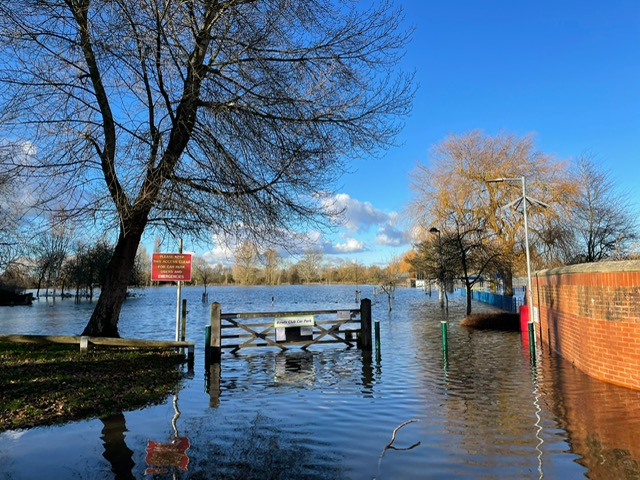
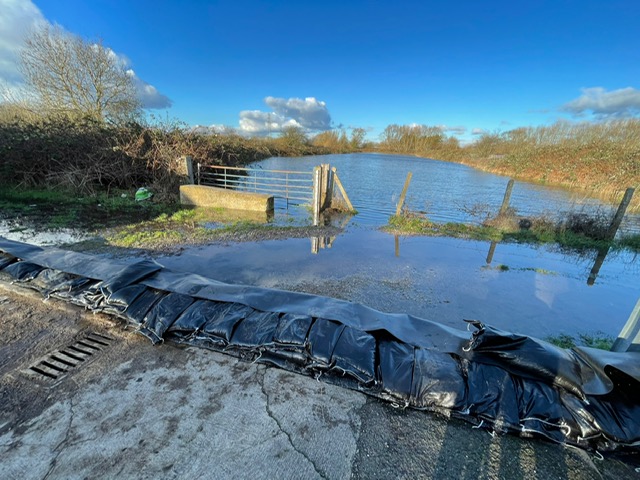
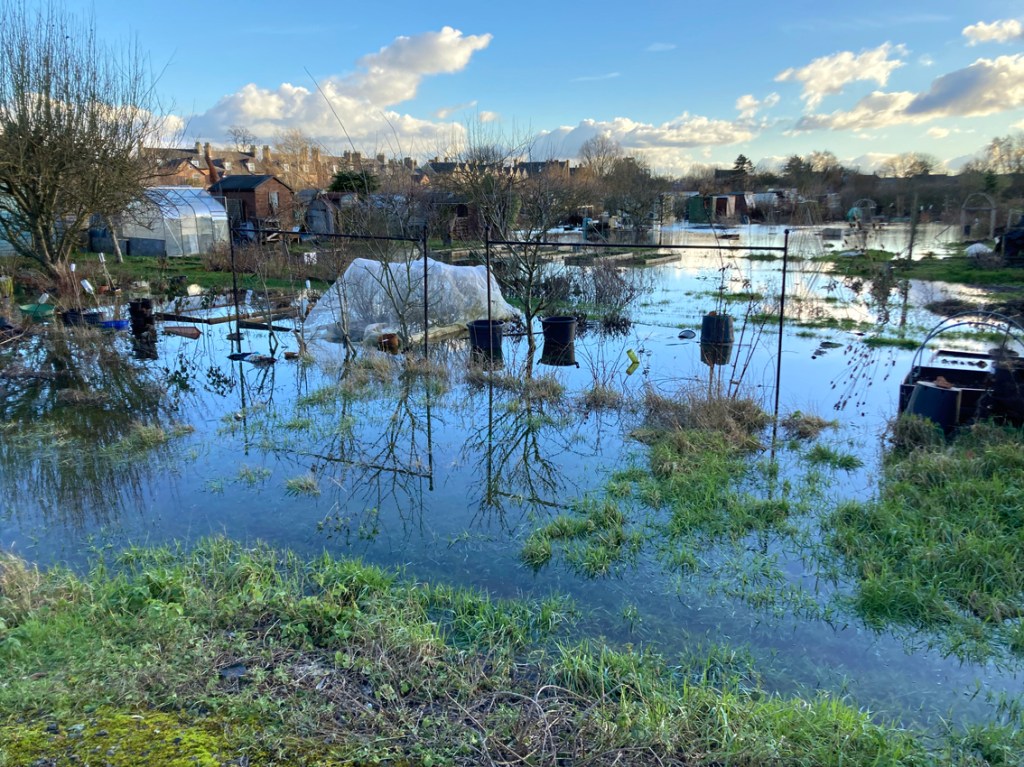
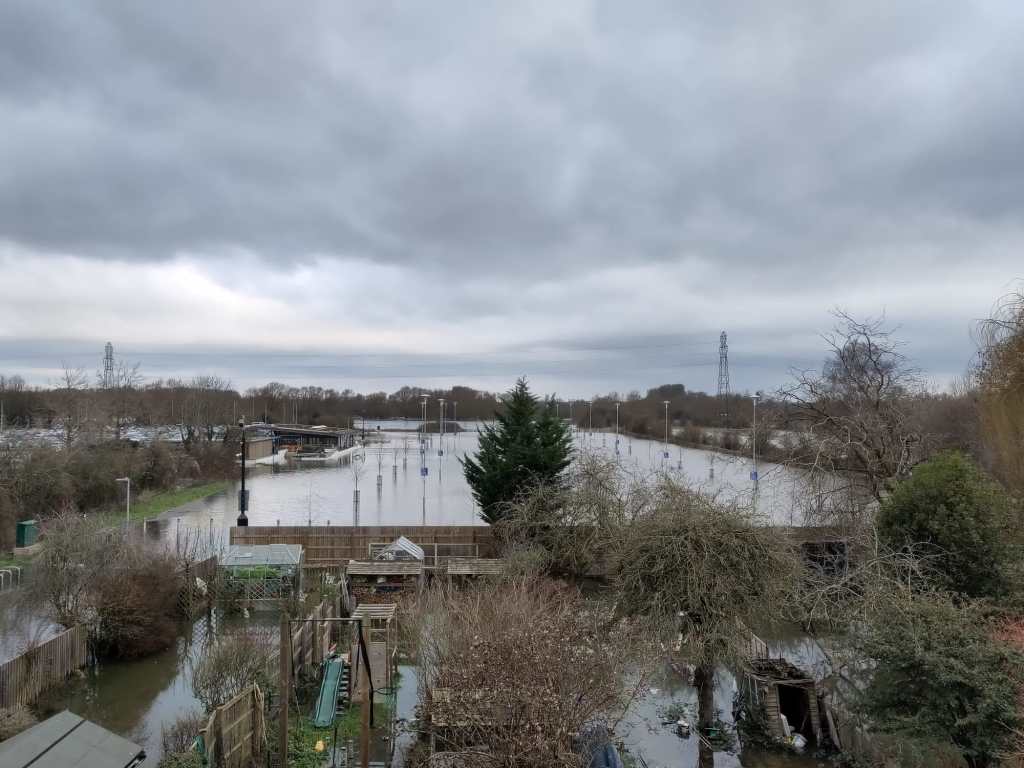
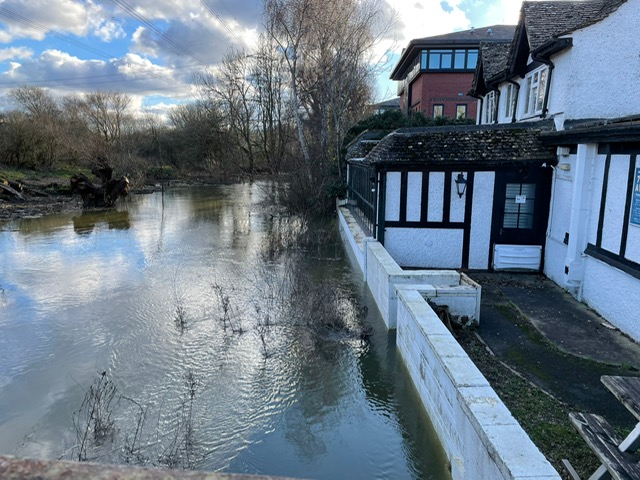
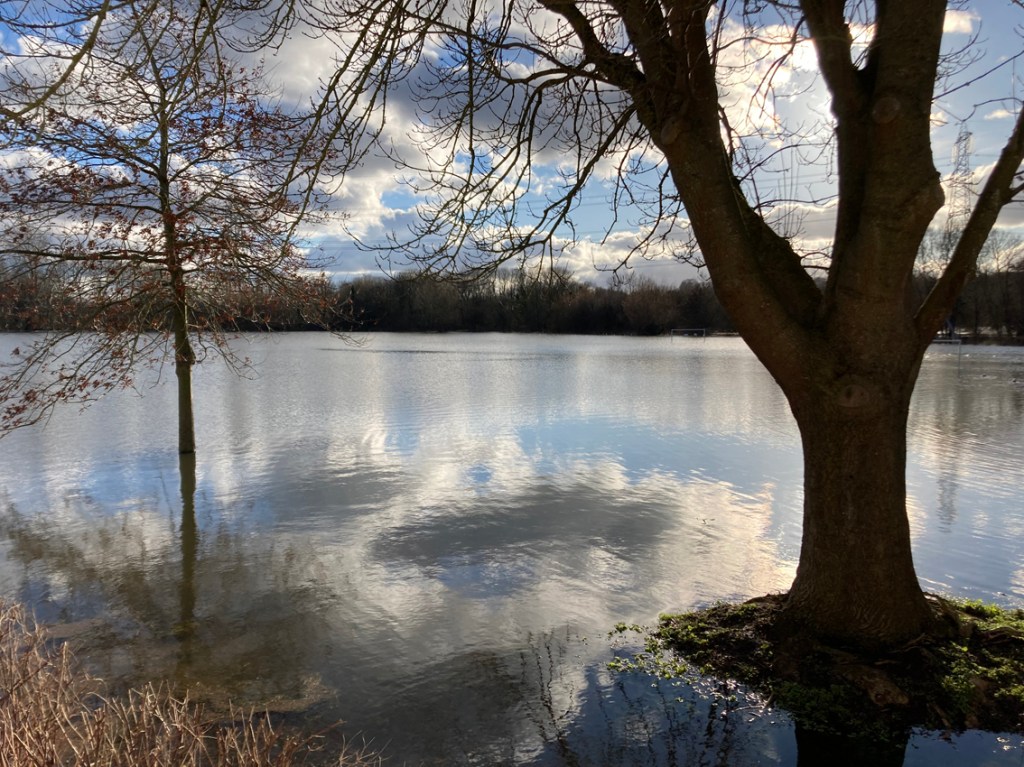
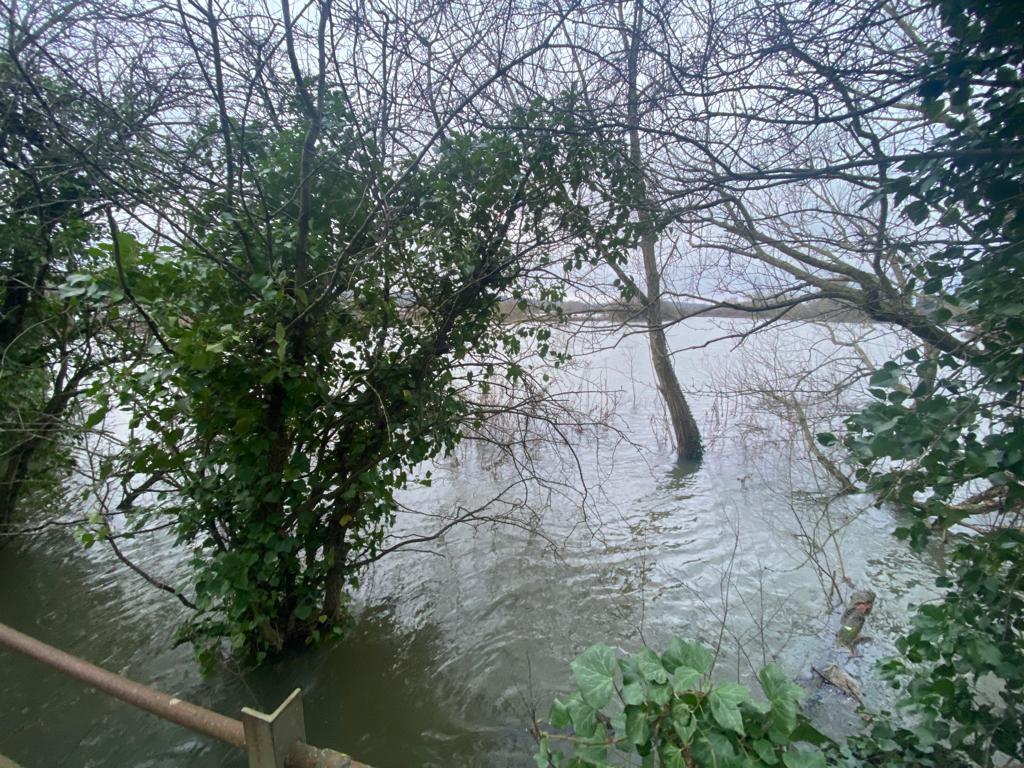
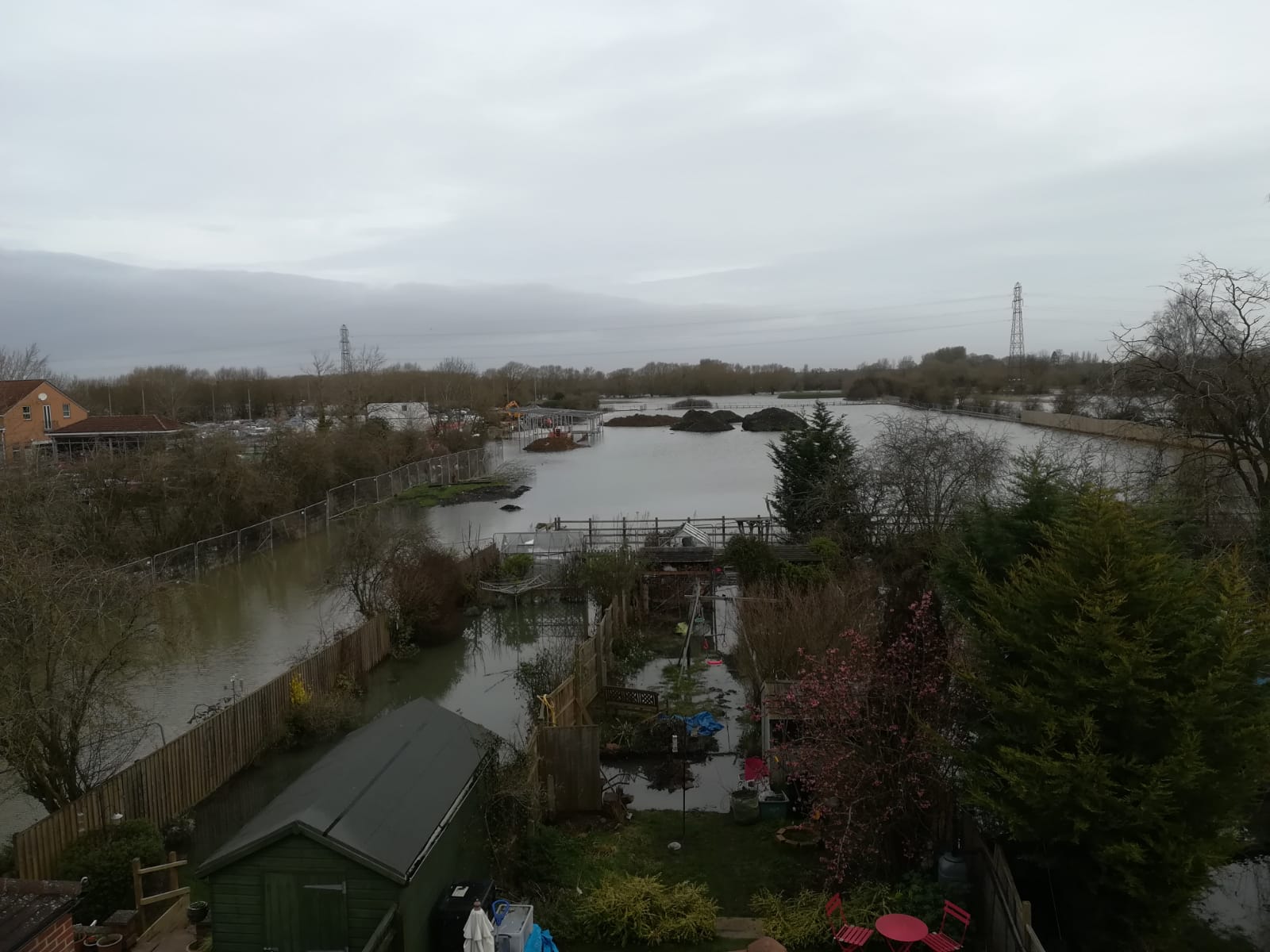
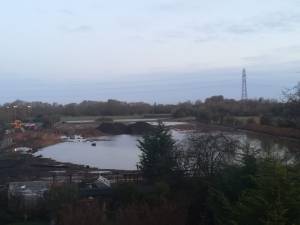
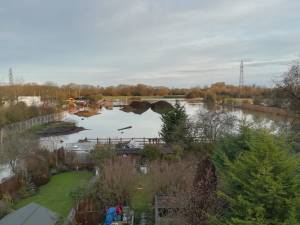
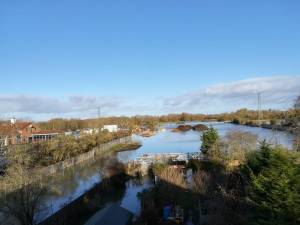
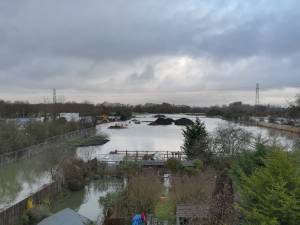
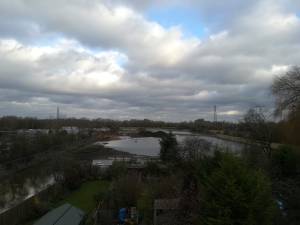
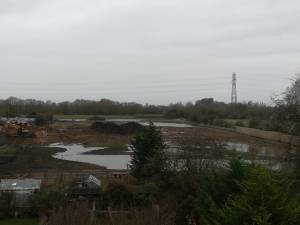
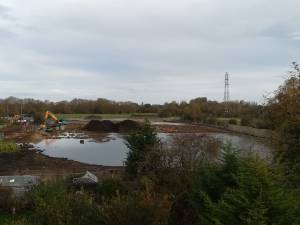
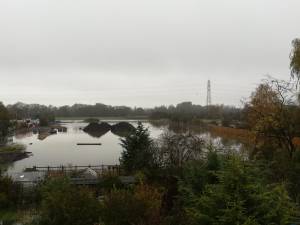
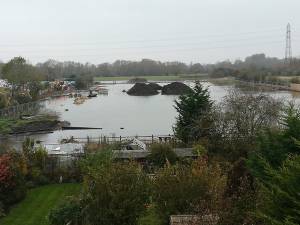
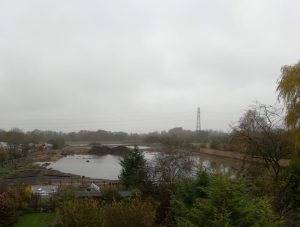
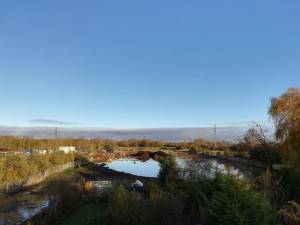
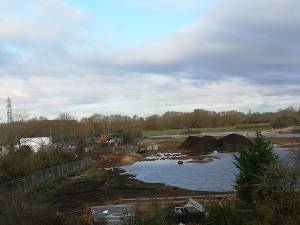
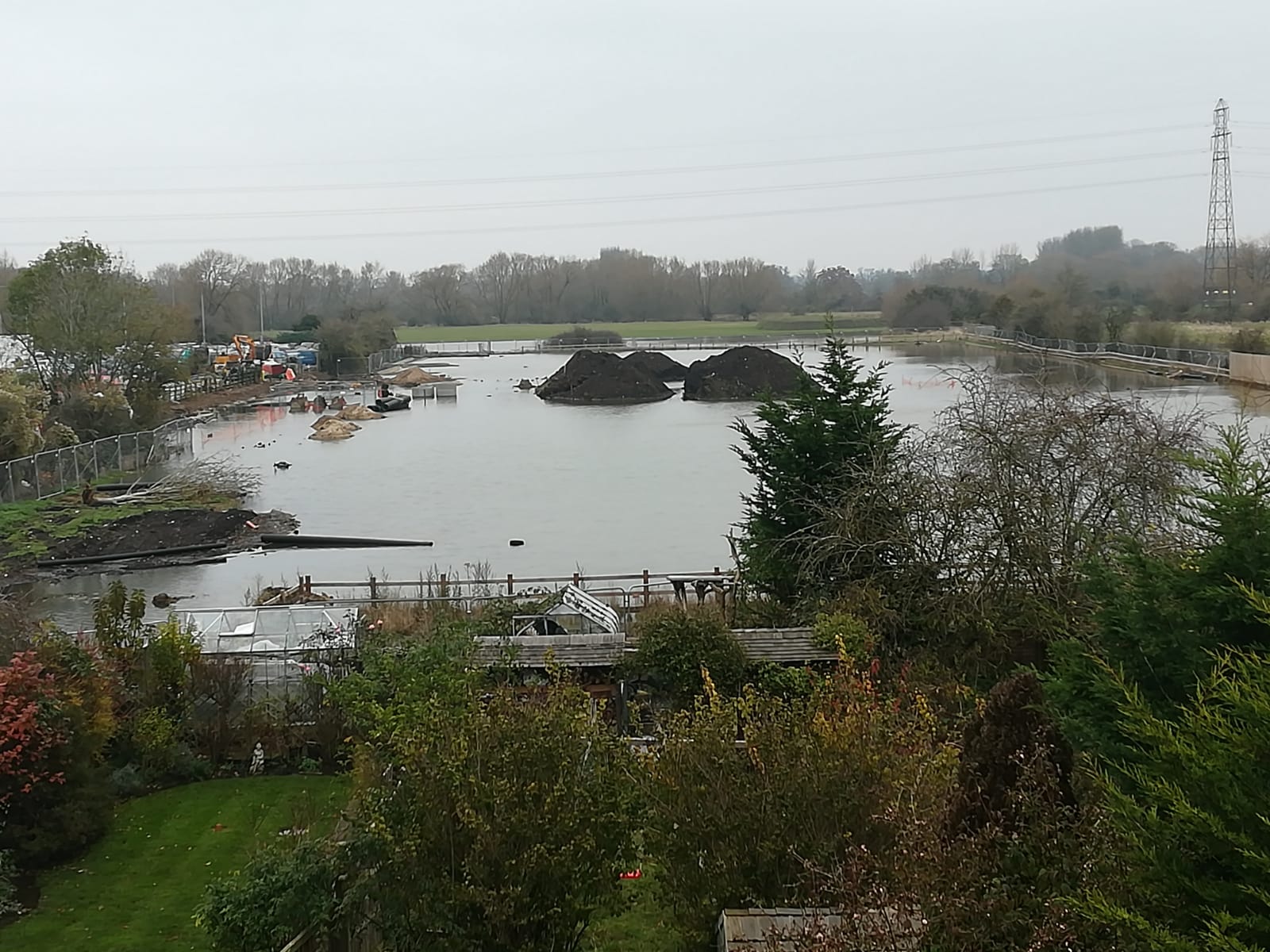
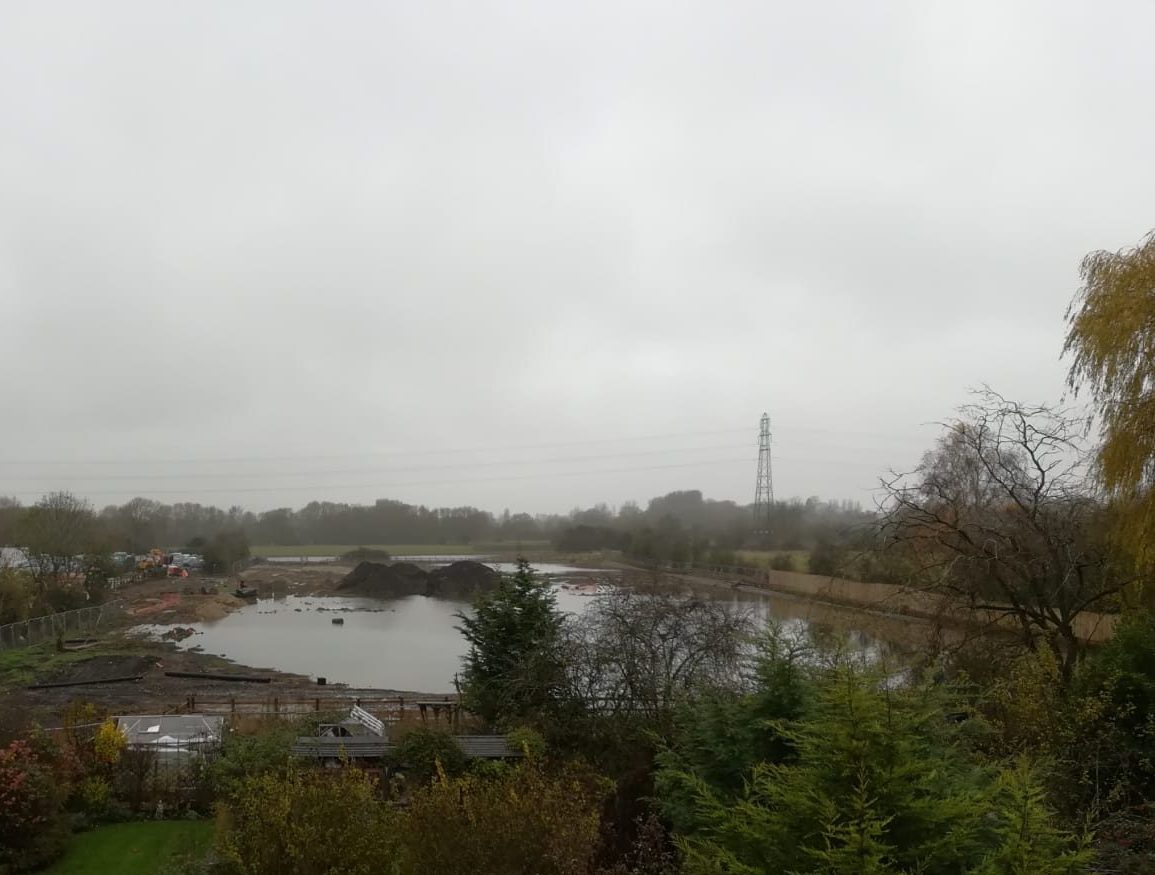
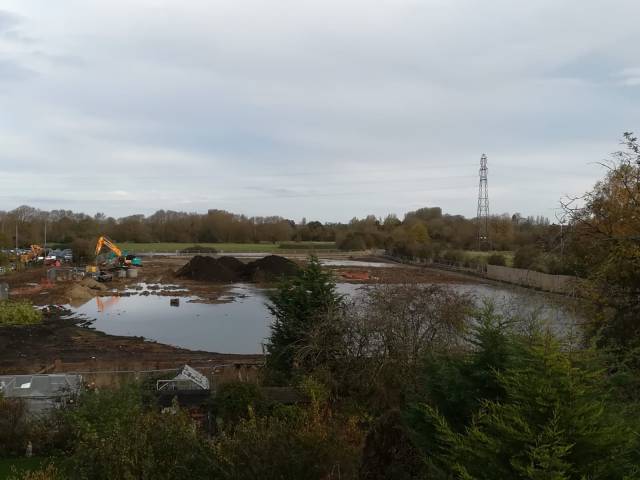
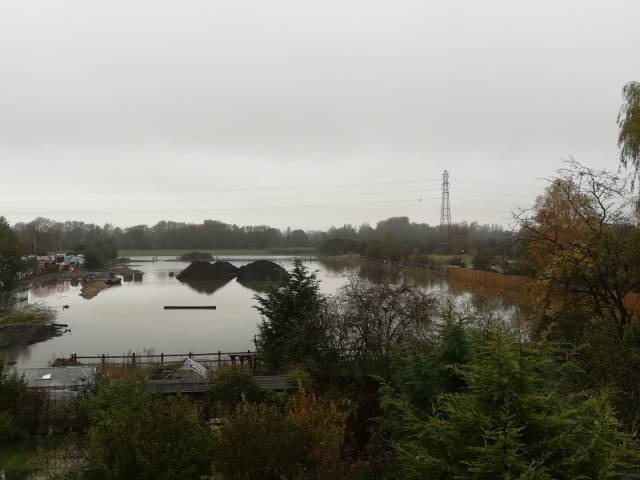
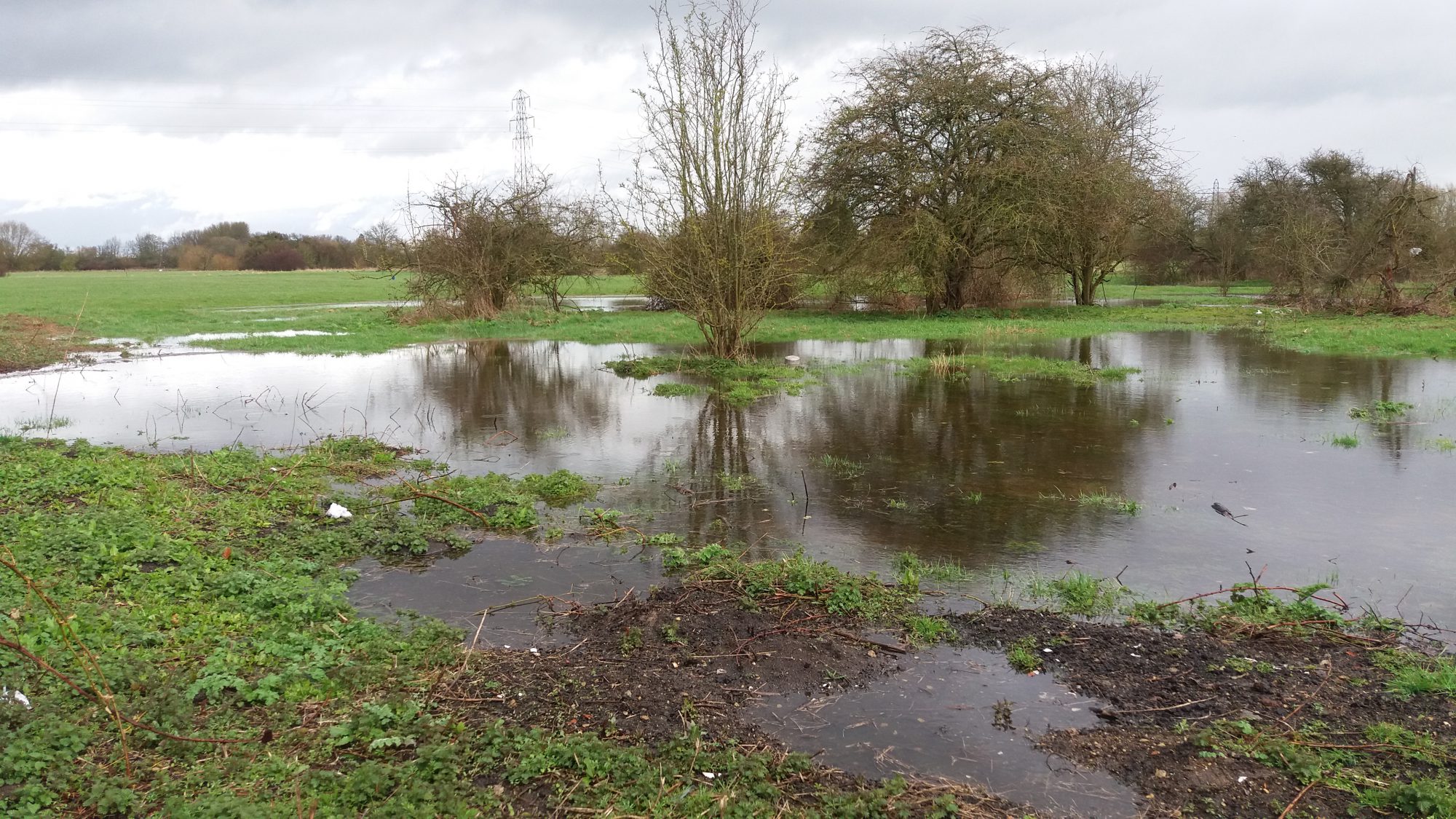
Tuesday 9 April marks the 100th day of 2024 and Seacourt Park & Ride extension has not been open to the public for a single one of those days. Following flooding in January the council cleaned it on 2 February, presumably with an intention of opening it to the public. It had been free of all flooding and pooled water for about a week. However, it had been raining in the preceding days, and the car park started to flood once more on 3 February, the very day after it had been cleaned. It has been underwater to a greater or lesser extent ever since.

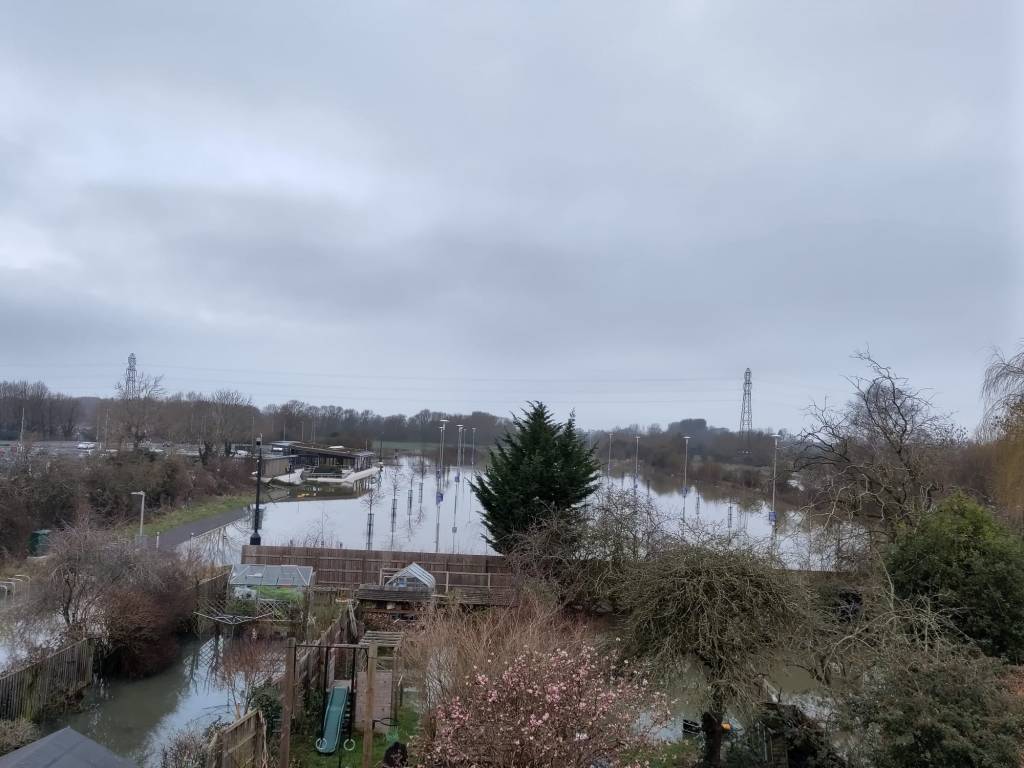
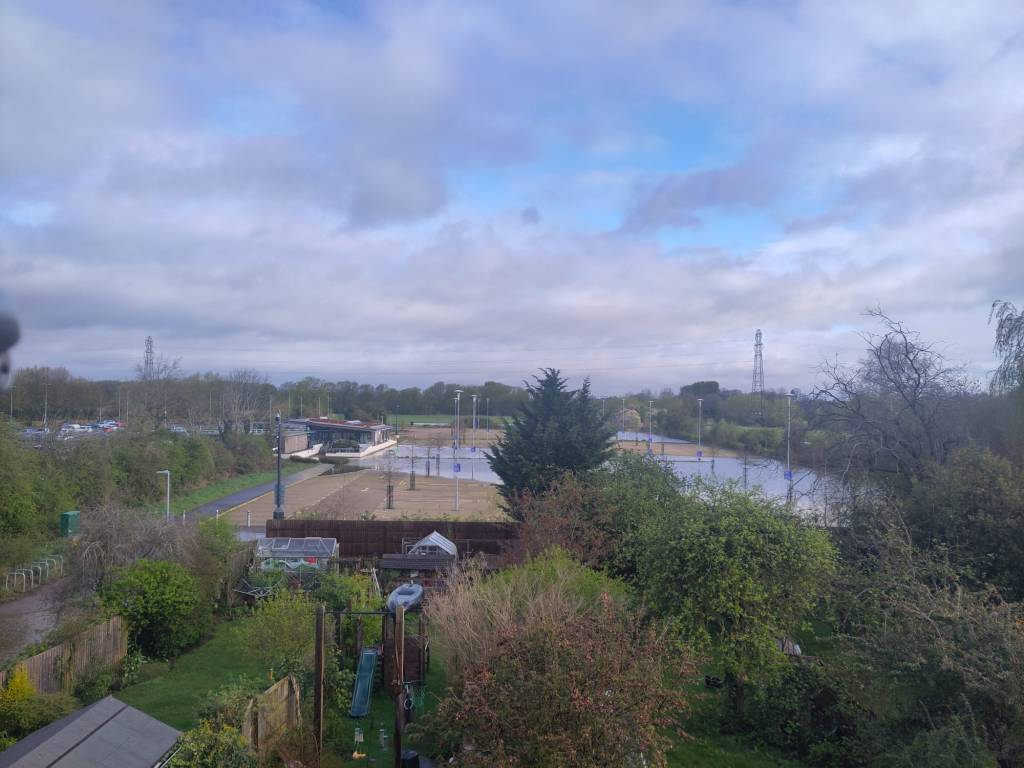
Oxford Flood Alliance warned the council in 2016 that the proposed car park extension lay in Flood Zone 3b, the functional floodplain, and it was not suitable development for that location. National planning policy (the NPPF and its accompanying Technical Guidance) stipulates that a Flood Zone 3b location is only suitable for ‘water-compatible’ development and for ‘essential infrastructure… that would remain operational and safe for users in times of flood.’
We submitted at the time that the developer underestimated the extent to which the site flooded. Their consultants had projected that it would be shut on average for 10 days every year due to flooding, a conclusion they had reached by leaving the years of most extensive flooding out of their assessment. We argued at the time that this was an inaccurate representation of the true nature of the site, and did not account for climate change. So far this year alone, it has been shut for 10 times that anticipated duration.
By comparison, the Oxford Flood Alleviation Scheme is an example of the type of development in a Flood Zone 3b location that is compatible with the NPPF, since it remains operational in times of flood (to serve its very purpose) and also is ‘essential infrastructure’, helping to reduce the impact of flooding across Oxford. Oxford Flood Alliance supports this example of responsible development in the floodplain.
On this 100th day of 2024, the 100th day of the year on which the Seacourt Park & Ride extension remains closed to the public, we urge the council to give national and local planning policies the weight they deserve, in particular in relation to flooding. National planning policy exists for a good reason. It is a material consideration for planning committees, and they ignore it at their peril.






 oxford flood alliance