OFAS: Environmental meeting

OFA attended a briefing yesterday (22 May 2018) on the Environmental Statement which forms part of the OFAS planning application. This was organised by the Environment Agency (EA) specifically for local environmental groups. Penny Burt, Phil Marsh and Graham Scholey for the EA covered different aspects of the scheme, and provided updates on the various environmental assessments being conducted.

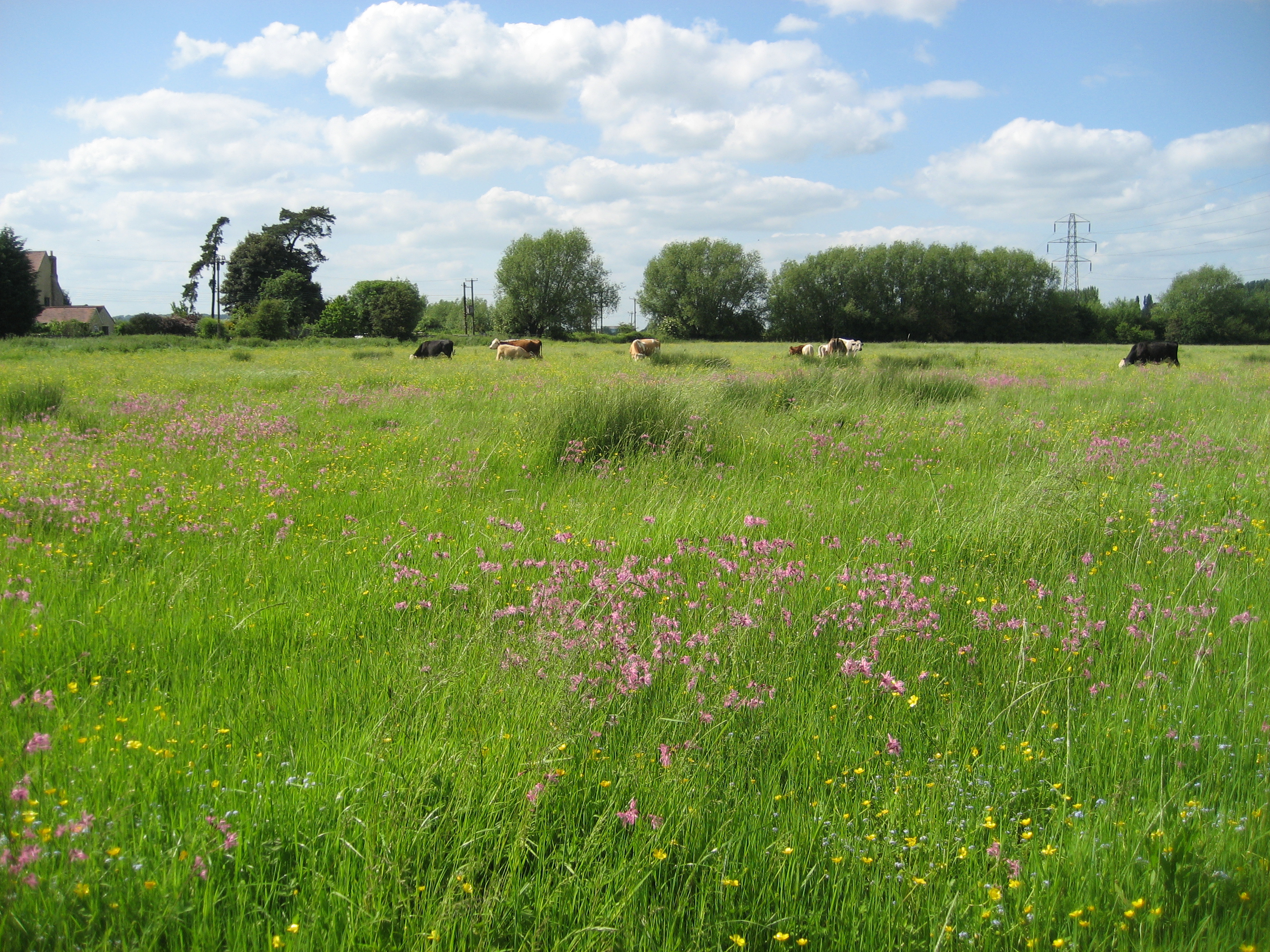
The scheme will result in the creation of a continuous area of marshy meadow either side of the new channel with various scrapes and ponds to enhance the habitat value. Overall biodiversity should be improved and strengthened.

But there are downsides. Rich grassland meadow in some areas will be lost, and while there are plans to create more of this habitat elsewhere in the scheme this is not without risk. Trees will be lost in some areas, though compensated for elsewhere. Some views will change significantly, e.g. along Willow Walk, and at Kendal Copse just north of Kennington.

Several useful comments were made by participants in the meeting about ways to enhance environmental benefits from the scheme which the EA will think about.

Ongoing effective management of the project will be critical and the Environment Agency is now exploring detailed proposals around this with various local wildlife organisations. OFA welcomes the idea of collaboration between the EA and local bodies, but is arguing that whatever arrangements are set up there needs to be a mechanism of accountability to the public, so that local interested parties can understand what is being undertaken, and what achieved – both for flood relief and for wildlife.
 

Seacourt: an Important Habitat

Thanks to the Oxfordshire Badger Group for this video, showing the importance of this habitat and what has recently been done to it by Oxford City Council – it is shocking and utterly wrong.

See more on the officially designated wildlife status of the site.

Seacourt and wildlife

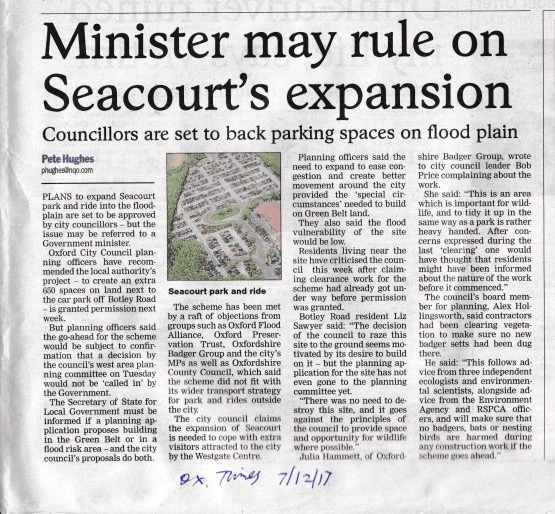
The site for the proposed extension of Seacourt Park and Ride is designated under the Oxford Biodiversity Action Plan (BAP) 2015-2020.  This is ‘An overview of actions to support biodiversity in Oxford City Council’s own estate and operations.’ Under this plan the Seacourt proposed extension site is designated as

  • a Conservation Target Area
  • a Habitat of Principal Importance.

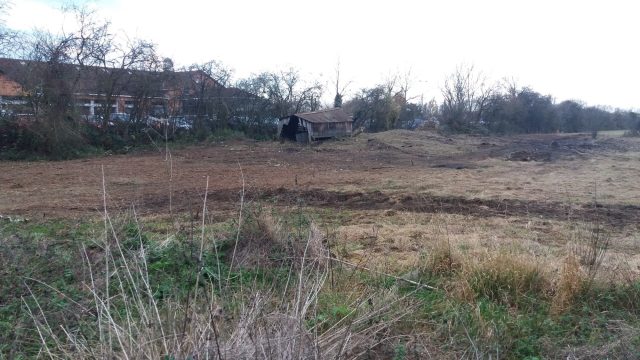
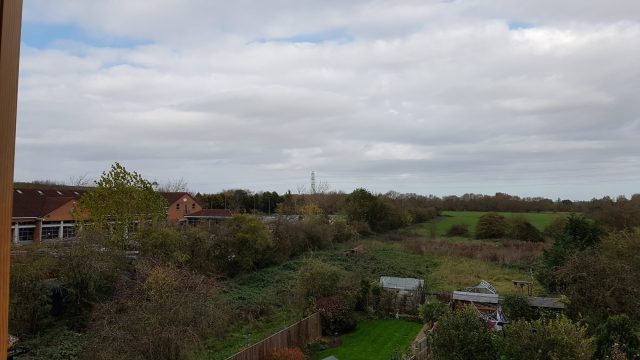
It’s important habitat for many species including several badger setts. But, before the matter has even been before a Planning Committee for a decision, the City Council has cleared  the area over the last week or so. The pictures tell the story. What a sad disgrace.

See too http://www.oxfordmail.co.uk/news/15698598.Council_accused_of_starting_work_on_park_and_ride_before_getting_planning_permission/

EDIT: and this recent video by the Oxfordshire Badger Group

Maintenance and wildlife

We met with the Environment Agency (EA) and Jeremy Biggs of the Freshwater Habitats Trust (FHT) today.

We talked about articulating an environmental vision for the Oxford Flood Alleviation Scheme (the Scheme) which brings together the various initiatives which are planned and how these will be managed and maintained. This included possible bodies/corporate structures that might be involved in overseeing maintenance in the long-term, to deliver both flood risk reduction and benefits for wildlife. We are working towards a preferred option for the future management arrangements.

FHT is hoping to facilitate community involvement in the conservation of freshwater habitats within the Scheme area – for example by employing someone to liaise with local people, including schools, so they can be involved in wildlife science in the floodplain. Part of the funding has been secured by a generous offer of funding from Thames Water, and FHT and EA will now approach other bodies together.

OFA is about to send letters asking local businesses to contribute funding to help close the small funding gap that remains for the Scheme.

OFAS: Environmental meeting

Attended an environmental update meeting yesterday, organised by the EA with a number of local environmental stakeholders attending. A lot of thought is going into making the most of possible environmental enhancements that the Scheme can bring.

Led by Penny Burt of the Environment Agency we covered surveys, ecological trial areas, archaeology, low-flows and existing watercourses, fish passage, Hinksey Meadow, trees and bridges, habitat creation and access. Also mentioned was future maintenance – we felt that the plans were not nearly long-term enough and this was discussed.

For our part we are working closely with the Freshwater Habitats Trust. The Oxford area is rich in freshwater species, though there is, nevertheless, a long term decline: this Scheme could help reverse that trend. We’d like to give the public, including school children, a chance to be involved, including with data collection in the field – sometimes called ‘citizen science’.

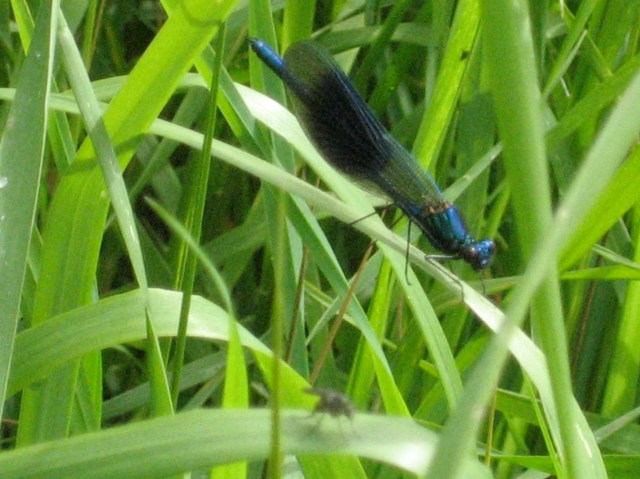
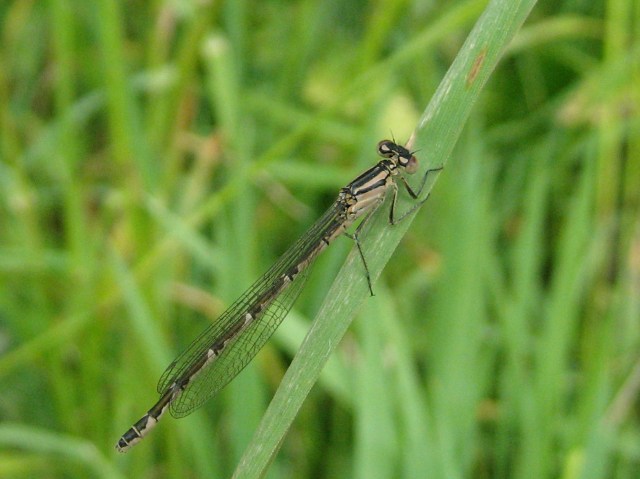
The damselflies in the photographs are closely associated with the freshwater habitat.

‘Oxford and the Thames: a national hotspot for freshwater wildlife’

Talk on 29 June by Jeremy Biggs of the Freshwater Habitats Trust

Jeremy Biggs gave an interesting and inspiring talk, ‘Oxford and the Thames: a national hotspot for freshwater wildlife’, in South Hinksey yesterday; it was well attended by professionals and members of the public alike.

The overall message was that the Oxford area, including (but much wider than) the area of the OFAS channel, is of relatively high quality (on a national scale) for freshwater wildlife. Nevertheless, there have been local extinctions and a gradual decline over the last century. Clean, unpolluted water is vital to any attempt to reverse the decline.

A lively discussion followed.

To make the most of the possible environmental enhancements from the OFAS scheme more detailed proposals will be developed. More could be achieved if additional, separate funding could be obtained. Such work could make a contribution to reversing the gradual decline and enable lessons to be learnt as to how to do this best.

See also Oxford and the Thames_talk flyer_Jun16 FINAL

A talk: Oxford and the Thames – a national hotspot for freshwater wildlife

Later this month,  Dr Jeremy Biggs of the Freshwater Habitats Trust will be giving a talk at South Hinksey Village Hall, on Wednesday 29 June at 2pm titled Oxford and the Thames: a national hotspot for freshwater wildlife, in association with the Oxford Flood Alliance.
 
He’ll look at what makes the Oxford area a national hotspot for freshwater wildlife, what problems freshwaters in the area face and what the solutions are. He’ll consider what the impact of the new flood channel could be and how it could help reverse the century-long decline in the areas freshwaters. There is more information at http://freshwaterhabitats.org.uk/news/oxford-and-the-thames-a-national-hotspot/ or in the flyer Oxford and the Thames_talk flyer_Jun16 FINAL.
  

The talk is free and anyone may attend but space is limited so if you think you would like to come along please let Jo Fever at Freshwater Habitats know so we can try and ensure there is space for all: info@freshwaterhabitats.org.uk or phone 01865 595505.


Clean Water for Wildlife – II

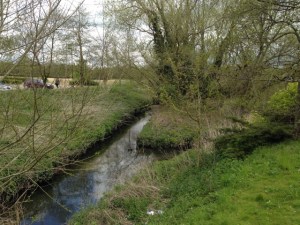
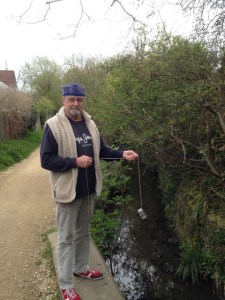
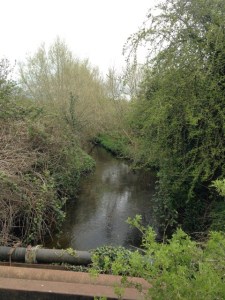
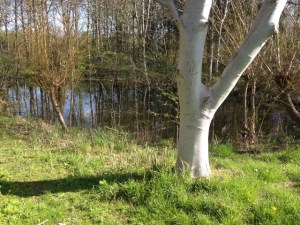
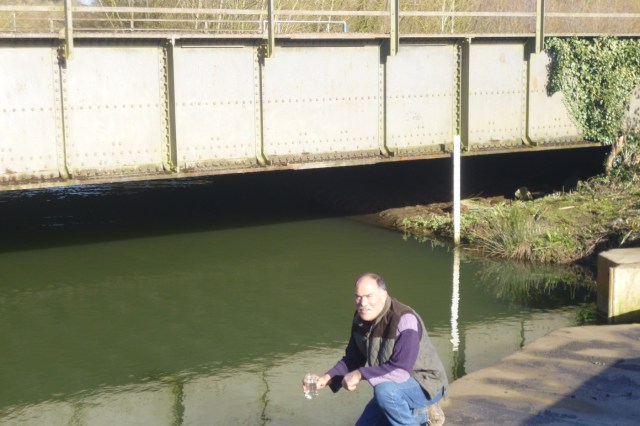
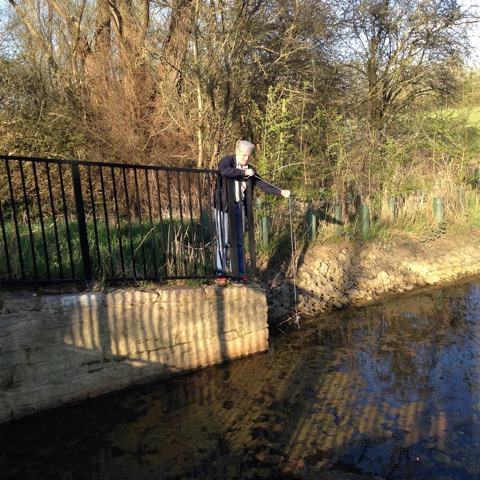
This study has now closed – we contributed results on samples from 31 locations (a few are shown above) – see previous post Clean Water for Wildlife.

As far as we know, this study, by the Freshwater Habitats Trust, is the first of its kind in the UK.

We’ll post the results when they become available.


Clean Water for Wildlife


We’ve been lending a hand with the Freshwater Habitats Trust’s ‘Clean Water for Wildlife’ survey. This part of their survey covers the ‘Ock catchment’ which (bizarrely) includes Oxford.

We believe that the Oxford FAS can provide benefits to wildlife alongside the flood risk reduction. Quality of water is important to any such aspiration, so work such as this survey is very important.

Anyone wanting to help can find out more at freshwaterhabitats.org.uk/projects/clean-water.