Comments on City Council plans for Osney Mead

Oxford City Council has issued a draft Supplementary Planning Document for the development of the western end of the city centre, an area which includes Osney Mead. The council is inviting comment. The relevant documents can be found here: https://www.oxford.gov.uk/news/article/2217/council_invites_views_on_latest_stage_of_major_transformation_of_oxford_west_end_and_osney_mead.

Osney Mead floods and will continue to do so even after the Oxford Flood Alleviation Scheme is built. How flood risk will be managed as plans come forward will need very close scrutiny. OFA believes the SPD should be strengthened in a number of areas to set an appropriate framework for managing potential future flood risk, including from sewers. We also believe the approach to biodiversity needs strengthening in line with the approaches adopted by the Oxford Flood Alleviation Scheme. OFA has submitted the following comments to the City Council:

a) Flooding and flood risk – the documents acknowledge that Osney Mead floods and will continue to do so after the completion of the Oxford Flood Alleviation Scheme, and that any development there needs to create capacity to contain and manage flood water. This can only be done, the documents say, if the whole Osney Mead site is developed in a joined-up way. The documents also recommend the creation of the appropriate infrastructure before any other development. We strongly support this view. Management of flood risk needs to be taken very seriously in any plans which come forward, not just for Osney Mead itself but also for adjoining areas. There is a risk that piecemeal re-development of the site could increase flooding locally and it would be challenging to monitor and manage.

While we welcome the general statements made about flood risk we do not see how some of the descriptions and images of proposed redevelopment on Osney Mead are consistent with flooding of the area. We therefore have serious questions about how well flood risk has been understood by the authors of these documents. In particular, the documents talk about ‘activating’ the riverbank south of Osney Lock and down to Grandpont. The proposals envisage a new, wider cycle and pedestrian route along here, river-facing buildings (apartments, offices) and new spaces for people to sit. The illustrations of what this might look like show a heavily urbanised and landscaped river frontage with paths and building all at the same level. But the towpath floods most years and is often impassable. This is flood zone 3b, part of the natural flood plain, and the types of development permitted in such an area by the National Planning Policy Framework are very restricted.

How can the envisaged ‘activated’ frontage as illustrated in these documents possibly be realised in these circumstances? Will the bank be raised to create the kind of structures shown in the SPD? If so what happens to flood water which currently overtops the Thames banks and inundates adjacent areas? Canalising the Thames at this point would create significant flood risk for existing communities both up and downstream of the area. Or will the riverside path remain at existing levels and be allowed to flood? This is very unclear in the documents. We would like to see explicit statements in the SPD and design guidelines about the challenge of ‘activating’ the riverbank given that it is in flood zone 3b. Illustrations in the documents should also present a more realistic view of what the redevelopment might look like.

The design guidelines talk about new bridges connecting the towpath by the Punter to Barret St on the other side of the Thames, and one at the eastern end of South St crossing the Osney Stream to connect to Osney Mead. In both of these locations temporary flood barriers are currently deployed when river levels are high. These barriers are critical to preventing houses on Osney Island from flooding. At the end of South St there is a large wall where the proposed new bridge would come across. This wall helps to contain flood water in Osney Stream. The demountable flood defences for the island  are stored in the EA’s Osney depot. If this depot is to close and move we need to understand how flood defences will be deployed during a flood emergency. A large pump located on EA land behind the houses on the eastern end of South St is also a critical part of the local flood defence system. This pump evacuates flood water from the island and pumps it into the weir pool. Even after the completion of OFAS houses on Osney will continue to be vulnerable to flooding and temporary defences will still be required. We would like to see the SPD/design guidelines explicitly state that any developments must not compromise flood defences for Osney Island.

A holistic approach to redeveloping Osney Mead potentially creates an opportunity to help reduce flood risk to Osney Island as well as addressing the challenges of the Osney Mead site itself. We would like to see the SPD flag up this opportunity as something to be explored. We have a rare opportunity to reduce risk for vulnerable Osney residents and this should not be missed.

Redevelopment of the Castle Mill area could potentially affect streams and weirs in that section of the city. Any plans coming forward should ensure there is no reduction in the capacity of these streams to help move flood water through the city. Could the performance of these water courses be improved to help alleviate flood risk in the city? Has this been considered?

b) Sewers – the current sewer system on Osney Mead does not cope with floods and is quickly infiltrated by flood water. Sewage is pumped from Osney Mead up Bridge St on Osney Island to join the main sewer on Botley Rd. In a flood the pressure in the system means sewage bubbles out of the sewer covers and has to be pumped into the river. Some people on Osney Island cannot use their toilets during a flood. We raised this issue in a previous consultation but there is no mention of sewer infrastructure in the Supplementary Planning Document or the Design Guidelines issued for consultation.

We need assurances that adequate sewer infrastructure will be put in place and this must be a prerequisite for any redevelopment of Osney Mead. The increased density of proposed redevelopment will greatly increase pressure on the sewer system. Failure to address this infrastructure requirement could be disastrous for some Osney residents and would mean regular discharges of sewage into the local wate ways to the detriment of the wildlife. When we have tried to raise these issues with Thames Water in the past they simply say ‘it’s caused by fluvial flooding which is nothing to do with us’. We know what an appalling track record the water companies have on river pollution. A holistic approach to the redevelopment of Osney Mead must include addressing the sewerage problems, including using flood mitigation measures to reduce risk of sewers being infiltrated.

c) Biodiversity – throughout the development of the Oxford Flood Alleviation Scheme we have been strong supporters of the ‘environmental vision’ of the scheme and the idea of making the new stream as natural as possible. This helps reduce long-term maintenance of the assets being created and is far more sustainable than a more engineered approach. We believe a similar approach should be adopted for Osney Mead. The design document talks about ‘sensitivity to habitat’ and of retaining ‘existing trees where possible, especially those of good ecological and amenity value.’ A glance at Google Earth shows the two main areas of tree cover on Osney Mead are along the bank of Osney Stream opposite the houses in Bridge Street extension, and along the towpath south of Osney Lock down to the railway bridge. The SPD seems to envisage the elimination of all of these trees. This is a major contradiction in the documents. Removing them would take out most of the existing habitat. There is a considerable difference between the carefully thought through strategies in OFAS for how biodiversity will be enhanced through the project, and the vague reliance on street trees and green roofs in the SPD design document. Green roofs need regular maintenance including irrigation and addition of fertiliser. There are some positive words in the design guideline but protecting and enhancing existing biodiversity in the area, including incorporating wild, unmanaged space into the design, hasn’t been adequately thought through. Continuing to allow the river frontage to operate as natural floodplain as it does currently, with the trees and other wild vegetation retained, would be less environmentally destructive and cheaper to maintain. We would like to see approaches here better aligned with OFAS’s approach to enhancing biodiversity. The SPD should include explicit references to OFAS and its environmental vision, and alignment with this should be a requirement of any developments coming forward. The OFAS project covers an area which borders Osney Mead and includes important targets for new wild flower meadows in the area. Opening access into the greenbelt from Osney Mead must not compromise the biodiversity targets OFAS is committed to delivering.

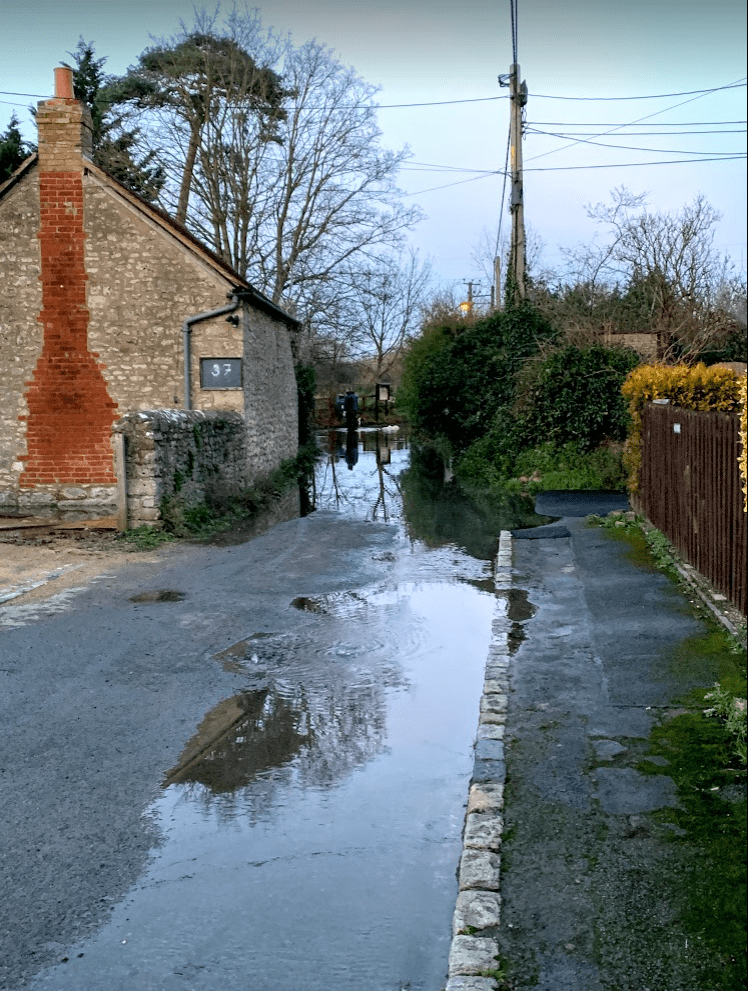
Flood risk increasing says Environment Agency

‘Significant climate impacts are inevitable especially for flood and coastal risks, water management, freshwater wildlife and industrial regulation,’ says the latest Environment Agency adaptation report published earlier this month.

According to the latest projections, summer rainfall in the UK is expected to increase 22% by 2080, and winter rainfall by 13%. The report sets out what the agency is doing to help reduce flooding of properties and businesses, ensure future drinking water supply, reduce pollution, and protect the biodiversity of freshwater habitats. The  Oxford Flood Alleviation Scheme (OFAS) features as a case study in the report, an illustration of the kind of action the EA is taking in partnership with others.

Early action is needed the agency warns: ‘Despite more than a decade of concerted effort to reduce these risks, the speed and scale of climate change means that many are either increasing or remain significant. This broad conclusion matches recent assessments from the Climate Change Committee, the Intergovernmental Panel on Climate Change and others.’

The OFAS scheme will be submitted for planning approval this winter. The planning documents will incorporate the latest government assumptions about future rainfall and flood risk.

High river levels test flood preparedness

In the first week of February we’ve experienced the worst flooding in Oxford since 2014. The coordinated response from the Environment Agency and local authorities shows how far we’ve come in recent years in the management of flood events. We owe them a big thank you.

Back in the early 2000s flood management was reactive and often disorganised. But lessons were learned and we now benefit from much better levels of preparedness, and good cooperation between the various agencies. We also benefit from the infrastructure put in place to divert water away from houses, and from regular clearing of water courses of fallen trees and flood debris.

Bulstake Close barrier and pump

The high level of flooding this year has provided a robust test of flood management procedures. With UK winters getting wetter and wetter we can expect more of these type of events and bigger ones, so it’s important we continue to refine the response to make it as good as we can get it. This is something OFA is actively working on. The flood alleviation scheme is still some years away.

A major weak spot currently is the slow response of Thames Water to residents experiencing sewage leaks. We have had reports of sewers in various locations overflowing as a result of the high flood water. Householders reporting these problems have found Thames Water difficult to engage. OFA is raising these issues with the various bodies responsible for flood management. Oxfordshire MP Robert Courts has insisted Thames Water ‘must do more’ according to a BBC report. We agree.

Flooding from sewer South Hinksey

We also think communication to local residents during a flood event about what’s happening and what’s being done in response could be improved. These events are also an opportunity to educate residents, particularly new residents, about the nature of the flood risk in their area. OFA has initiated discussions about this with the Environment Agency and other interested parties.

At a local level the response in some specific communities can be further refined to ensure the most vulnerable households are known about, and receive timely and targeted help. The new barrier in South Hinksey had its first serious test. It did the job required of it but will need some further adjustments if it’s to be effective in a larger flood. The Environment Agency is looking at this.

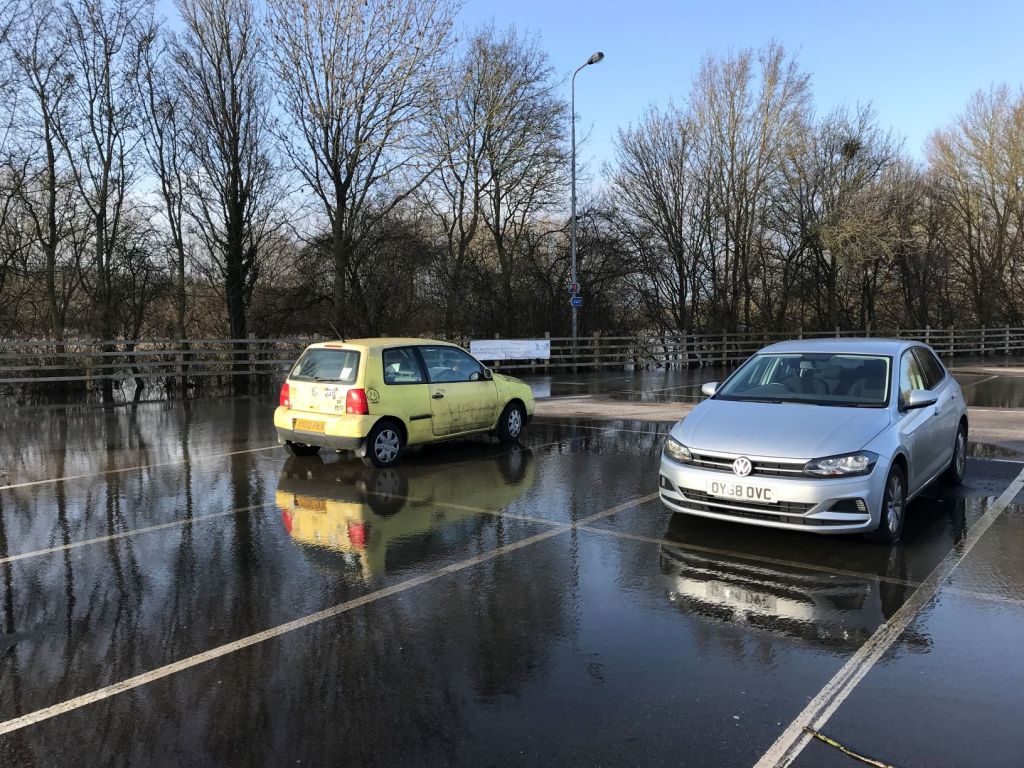
We continue to be concerned about safety issues at the Seacourt Park and Ride extension once it is open. We believe there is a significant risk of cars being stranded in flood water there. The Seacourt Stream overflowed into part of the existing car park during the recent foods, leaving parked cars standing in shallow water. The bike rack by the bus stop was also flooded.

Cars standing in flood water at Seacourt P&R

Adrian Porter, from the OFA Steering Group, was interviewed on BBC Oxford on 5 February about the flooding across Oxford and about our ongoing campaigns.

Maintenance and meadow management

We understand that an update on the search for an environmental partner for the Oxford Flood Alleviation Scheme (the Scheme) is likely to come soon. 

We have all along pressed to see the best possible done environmentally: having an expert partner to help manage the environmental aspects of the Scheme, while at the same time maintaining it for its purpose of flood relief, over the decades ahead, seems the ideal way.

Floodplains, with their meadows and wetland areas, are a valuable, and increasingly less common, habitat, demanding expertise to manage them well. So we’re waiting expectantly to learn what’s been happening.

Barrier at South Hinksey

A red letter day for South Hinksey village, with temporary barriers deployed (in a trial exercise) for the first time!

The exercise went well with the EA teams getting the barriers up in 3-4 hours from delivery to site. In a real flood event in the wet it might take longer and pumps would have to be deployed too but even so this would represent a good time. The residents will now feel very much more secure as winter approaches. Let’s hope the barrier isn’t needed but if it is it will be there. A big thank you to all involved.

Flood exercise today

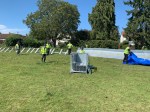
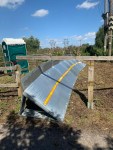
The flood exercise mentioned in the last post, testing and demonstrating readiness to deploy defences, is under way today. In South Hinksey temporary barriers are being set up by the Environment Agency (EA). At Bullstake Close on the Botley Road the barriers there, which have been used before in a flood, will be erected; and fire crews are showing how the pipe which has been installed under the Botley Road can be used to deal with flood water and reduce the flooding of the road.

For South Hinksey this is a very reassuring demonstration of the ability to now defend the village from flooding. Such barriers have never been used here before.

Of course Oxford still needs a bigger, more permanent scheme – in the form of the Oxford Flood Alleviation Scheme. The OFA update in the previous post summarises the present position – the Scheme is under way, albeit delayed. In the meantime today’s activities show that we will not be without  protection in the interim.

Emma Howard-Boyd, Chair of the EA, and Sir James Bevan, Chief Executive, are in South Hinksey today to see what’s being done and meet the teams and there is no doubt that protecting Oxford in both the short and long term is being taken very seriously.

Our thanks to everyone who is working hard on behalf of the many local residents, businesses and other organisations affected by flooding.

OFA Update / OFAS & Flood Exercise

This update has recently been sent to those on our mailing list.

Dear OFA contact,

We last sent out an update in Oct 2019, just after the news about the problems with the A423 bridge (southern bypass) and likely delays to the Oxford Flood Alleviation Scheme (OFAS). OFA is still active and has been participating in meetings of the Sponsoring Group for the OFAS scheme and has also held separate meetings with the Environment Agency team about water course maintenance since our last update.

Despite the A423 issues, and the challenges presented by coronavirus, the OFAS scheme continues to progress. The EA and the County Council have agreed a collaborative approach to replacing the A423 bridge and constructing the OFAS scheme. This should save on costs for OFAS, and reduce the level of maintenance required in future.

The EA withdrew the original planning application earlier in the year and is currently revising this to incorporate the new A423 arrangements, and to update the documents on some other aspects of the scheme. Once these are resubmitted to the planning authority the public will have a fresh opportunity to comment on the plans. The EA is continuing to meet with objectors to the scheme with a view to trying to address outstanding areas of public concern.

Because OFAS is now expected to be delivered two years later than originally expected it is important that effective flood response procedures are in place in case a major flood event happens in the next few years. The EA, Fire Brigade and the local Council officials will be holding a practice response on 20 August to test aspects of current procedures. Because of coronavirus these will not involve the pubic.

The text of a recent update from the Environment Agency is pasted below which provides some additional information on OFAS and other matters,

OFA Steering Group

Oxford Scheme update

A423 bridge replacement

Oxfordshire County Council began the propping work on the A423 Kennington Railway Bridge in July.

Replacement of the A423 Bridge has provided an opportunity to design and build the bridge and the flood scheme together. This allows us to reduce disruption during construction and ensure the best use of public money. The updated design will use open channels instead of culverts to allow the flow of floodwater under the bridge. This will provide a better environment for wildlife and requires less maintenance.

The bridge is at the southern end of the scheme and during a flood, water would need to pass underneath it to re-join the River Thames. This capacity needs to be in place before the scheme is constructed to avoid increasing flood risk elsewhere. We also need to have all approvals, including planning permission and our Compulsory Purchase Order secured.

South Hinksey Archaeology

If you’ve been walking near South Hinksey, you may have spotted our contractors on site. We are carrying out archaeology surveys in a field near South Hinksey village to check whether the area is suitable for us to use as the main compound for when we construct the scheme. The archaeology surveys will determine whether there are any historical artefacts in the field. We want to ensure there’s no risk of us damaging any artefacts or remains. Once we have finished the investigations, we will remove our equipment from the site and reinstate the fields.

Kendall Copse Ground Investigations

To complement the new A423 bridge replacement, we are reviewing the design of the scheme around Kendall Copse, near Kennington.

From 10 August, we will be digging trial pits and drilling boreholes to understand the ground conditions beneath the site in order to finalise these designs.

Oxford Flood Incident Exercise

To ensure our flood protection plans are well-tested, the Oxford Flood Alleviation Scheme partners and emergency responders will be practicing their incident response plans on 20 August 2020.

The flood response exercise will consist of:

 •temporary flood barriers in South Hinksey and Bullstake Close

•pumps to remove flood water along Botley Road

Due to the current Government guidance on public gatherings, we won’t be able to invite members of the community to attend. We will be sharing updates on Twitter and Facebook as the exercise progresses. We will also share video footage of the temporary barriers and pumps so you can see our field teams in action.

Managing your flood risk

During the summer months, flood risk might be low on your list of priorities, but Environment Agency officers are thinking about it year-round. Throughout the year our operations staff carry out inspections and clear debris to keep main rivers moving. To report a blockage that could cause flooding call our 24 incident hotline: 0800 80 70 60.

You can also find out what maintenance is planned in your area: environment.data.gov.uk/asset-management/index.html

Stay prepared by signing up for flood alerts and preparing a flood plan: https://flood-warning-information.service.gov.uk


Want to know more?

If you have any questions or want to be added to our mailing list, please contact us at: OxfordScheme@environment-agency.gov.uk

A close squeak

River levels upstream and in Oxford peaked overnight and, weather permitting, should now slowly but steadily continue to fall. The weather forecast, while not wall-to-wall sunshine, looks reasonably encouraging.

In the event no properties were flooded and no temporary barriers were deployed this time, though it came very close to it.

Thank you to all the many people from the Environment Agency who have monitored things closely, and made preparations to deploy defences should the need arise.

Oxford today

River levels in Oxford today have not risen as far as had been predicted. So good news so far. The EA is watching things closely for the whole area.

In the case of South Hinksey, the barriers which were delivered there this morning are to be kept in reserve for now. Barriers for other areas remain in reserve at Osney.