Notice of our Annual Public Meeting – next Thursday, November 19th

Oxford Flood Alliance logoANNUAL PUBLIC MEETING:

THURSDAY 19 NOVEMBER 2015

At The Democrats, Osney Island, 7.30 pm. Entrance at the north end of East Street.
Doors open from 7.00 pm.

EVERYONE VERY WELCOME –

YOUR CHANCE TO HEAR THE LATEST FROM

Network Rail on their plans to clear blocked culverts under the railway north of Redbridge.

Environment Agency on the multi-million pound Oxford Flood Alleviation Scheme (FAS) (Western Conveyance)

Thames Water on their major review of Oxford’s sewers.

ALSO

Hear our ideas on how Oxford FAS might be maintained not only for flood alleviation but also for wildlife.

Local planning applications, Weirs Mill Stream – and more.

Community meets academia

On 4 November three of us participated in a workshop hosted by Oxford University’s School of Geography and the Environment. The other ten participants included representatives from Pickering flood group in North Yorkshire, from Flood Network, from CAG (Community Action Groups) Oxfordshire, academics from Oxford, Lausanne and London, and communicators.

The workshop focused on the ‘Environmental Competency Group’ concept developed by the Oxford academic team (Prof Sarah Whatmore and Dr Catharina Landström) and exemplified in their working with the local community in Pickering in Yorkshire to develop a flood scheme.

Hydrological and hydraulic computer modelling of flooding are key tools in designing flood alleviation measures. We learnt about the importance of considering, and if needs be challenging, the assumptions underlying the modelling, and the possibility that the terms of reference given to consultant modellers may on occasion be rather restricted, meaning that potential alternatives could be missed. Nor is modelling a perfect process, the quality depending (of course) on the people doing the work. For these reasons independent scrutiny is important. While this could be by a another commercial consultant modelling team, review by academics can add further, expert and independent assurance to the process.

A further check would be a review of the model by community members to see, as far as possible, whether it matched local observations.

More generally we were able to set out how OFA has developed and worked over the past eight years. Likewise, we heard how the Pickering group had worked successfully, with help from the Oxford academic team. There was discussion of how such experience might be shared with others developing community flood groups.

The workshop was both interesting and useful: we thank the organisers and look forward to further collaboration in future.

OFAS: drilling a borehole

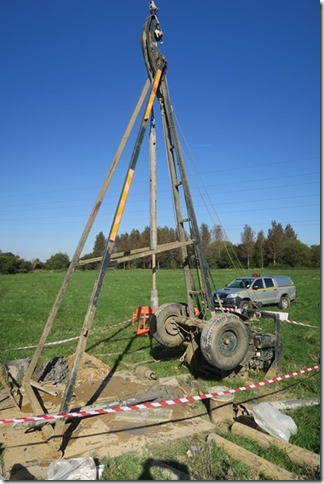
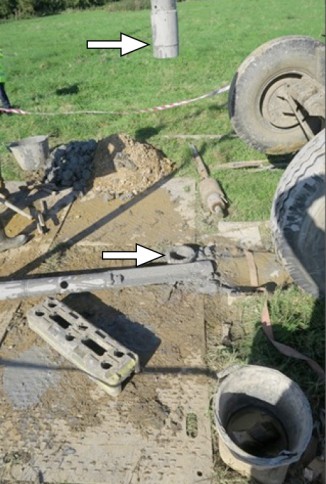
Oxford FAS ground investigations: a borehole being drilled this afternoon in South Hinksey.

The A-frame percussive drill dug 9 metres down, below the alluvial layer, the gravel layer and 5 metres into the clay.
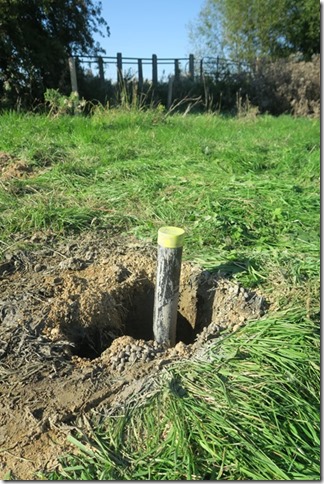
The capped pipe is a monitoring site where the changes in ground water depth over time can be observed.

OFAS: ground investigations under way

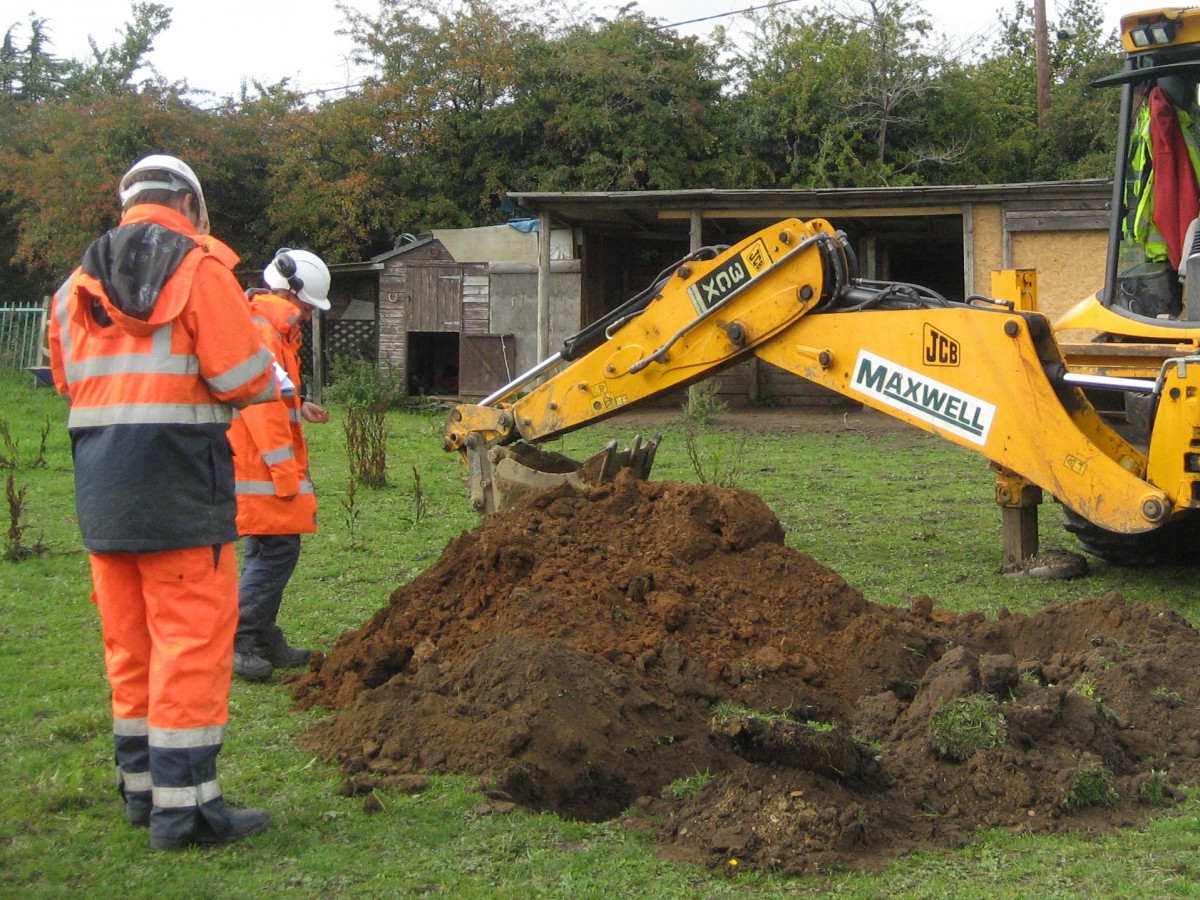
Digging a test pitTest pit being dug at South Hinksey, 24 September 2015

Test pits are being dug and boreholes drilled over the flood plain below the Botley Road to examine what the ground consists of. Evidence of significant archaeology is also checked for. The information will be used to inform the modelling and planning for the Oxford FAS.

‘Drilling for Oxford’s relief channel begins’  http://www.bbc.co.uk/news/uk-england-oxfordshire-34287878

‘Oxford Flood Alleviation Scheme: ground investigation work begins’  https://www.gov.uk/government/news/oxford-flood-alleviation-scheme-ground-investigation-work-begins

More on the work in progress at Munday’s bridge

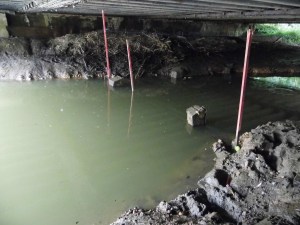
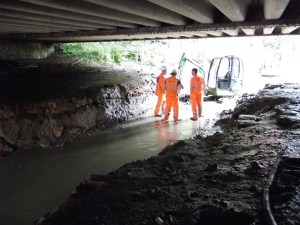
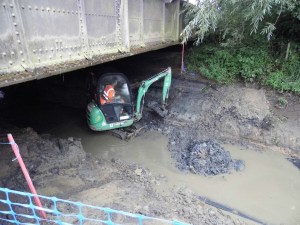
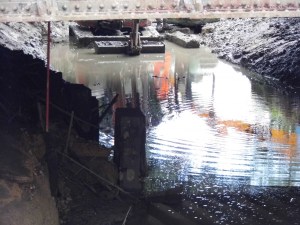
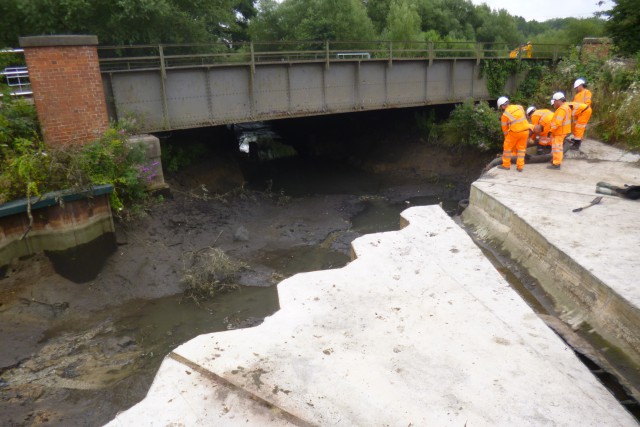
It looks as if good progress is being made. We’re told the wooden posts will be removed, towards the end of the work.

South Hinksey sewer flooding

We held a meeting on 20 August 2015 to discuss this, especially in relation to possible temporary bunding of the village at time of river flooding.

Representatives from Thames Water (TW), the Environment Agency (EA) and of OFA from South Hinksey met. We had an interesting and fruitful discussion. These actions were agreed:

Thames Water (TW) to initiate a clean of the box culvert north of the village (by today, 27 Aug, this has already been ordered) and update us further on the work that has been, and still is being, done to considerably improve the pumping station at Littlemore.

TW will consider OFA’s suggestion of a sewer bypass for the village, as part of the ongoing Oxford Catchment Study.

Adrian Porter for OFA will fit a chain and handle to the existing non-return flap valve on the Manor Road surface water outlet to enable manual override if necessary.

The suggestion of a memorandum of understanding between the EA and TW, as to how sewer flooding would be dealt with at times of fluvial flooding, especially if a temporary bund were deployed, will be taken forward by the EA.

Many thanks to Thames Water and the Environment Agency for meeting with us and their very positive approach to the problems.

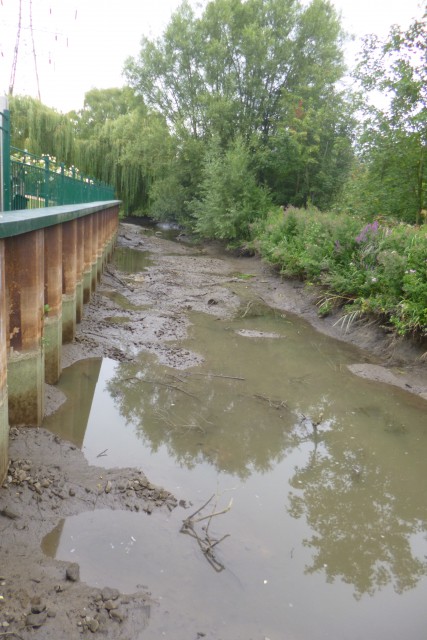
Munday’s bridge: Network Rail start work to improve the channel

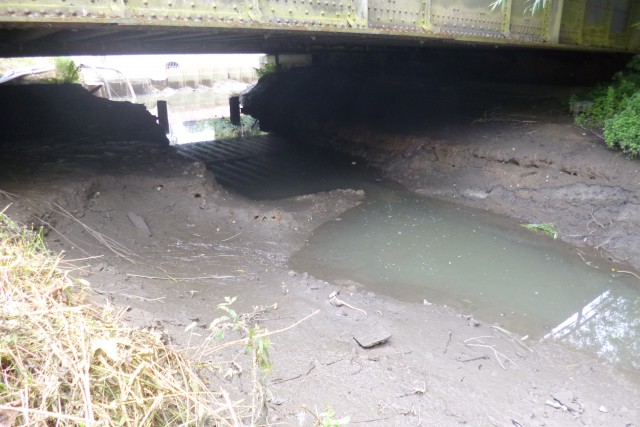
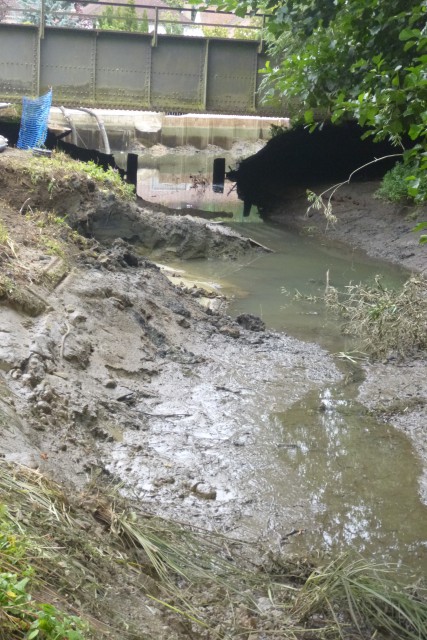
Munday’s bridge under the mainline railway at Kennington is an important route for flood water to leave the west Oxford flood plain. A lot of work was done to improve it in 2013 but the channel itself under the bridge was never properly cut and profiled and large wooden posts were left in situ in the channel. Work started yesterday to put these things right.

Oxford’s floods and climate change: our article in Oxford Civic Society’s newsletter

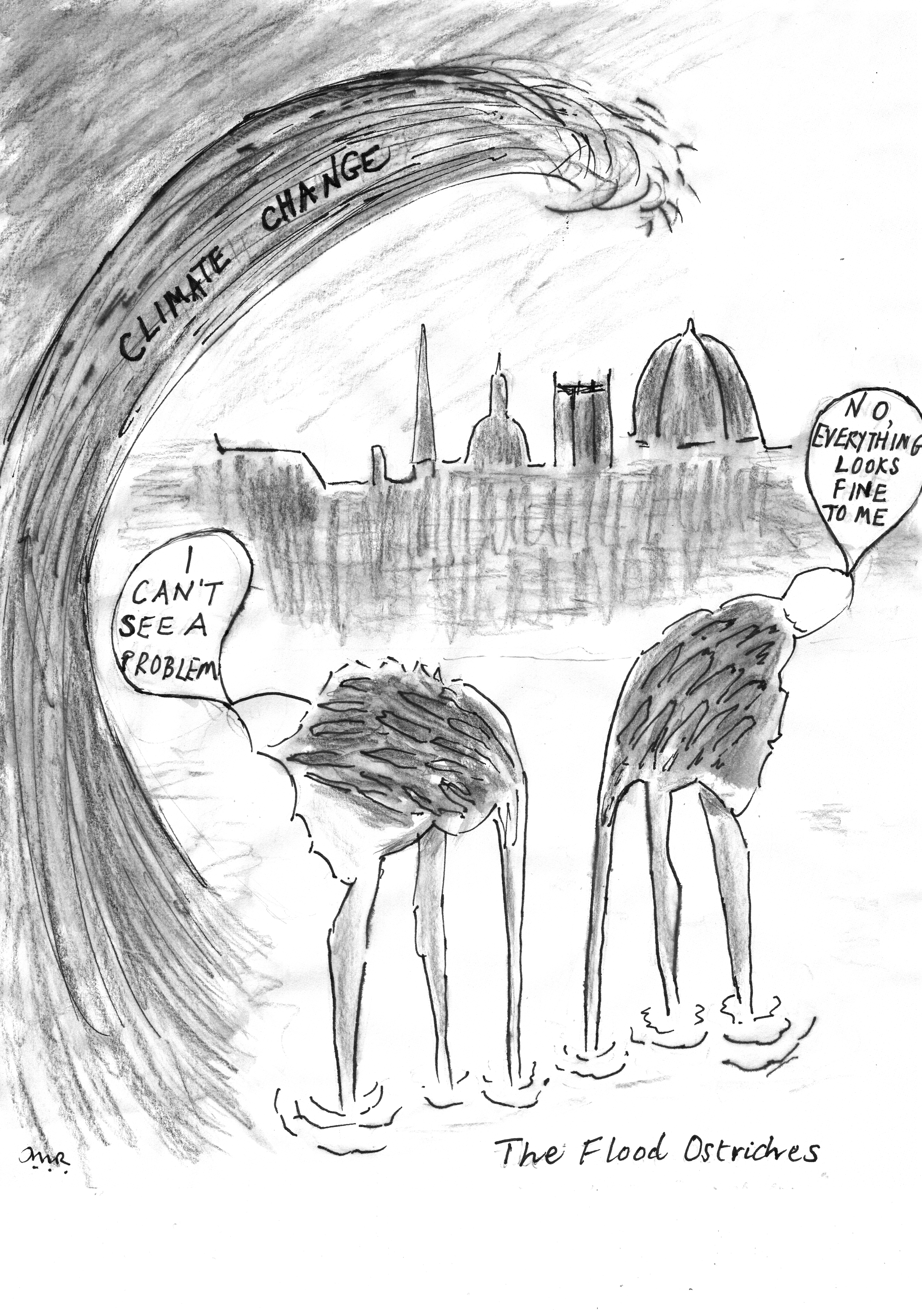
The Flood Ostriches and climate change

We’ve an article in July 2015 edition of ‘Visions’, the newsletter of the Oxford Civic Society.

It sets out our views on the threat posed to Oxford by flooding, with emphasis on the possible effects of climate change, and the relative merits of the possible options for combating that threat.

Meeting in South Hinksey

South Hinksey concrete flood wall, March 2014, post-floodOn Thursday evening 16 July,  30 or so parishioners met in South Hinksey Village Hall with Peter Collins and Magnus Williams from the Environment Agency (EA). We were pleased that local farmer Nick Frearson and a land agent on behalf of landowner Oxford City Council, were present too: they are important stakeholders in the project.

Groundwork
Engineer Magnus Williams presented his initial design ideas for groundwork to support deployment of temporary barriers for the village when flooding threatens. Magnus is talking to individual householders to ensure that everyone is happy with the specifics of the proposals.
We’re grateful to the Vale of White Horse District Council for providing £60k for the works and to the EA for providing the engineering design input, obtaining of permissions and so on.
We hope that things can move ahead as fast as possible as winter approaches and the risk of our flooding increases yet again.

Oxford FAS
Peter Collins, EA’s Asset Management Performance Team Leader for the Oxford area updated us on the aims and progress of the scheme.

Many thanks to Magnus and Peter for giving up their evening to meet us, much appreciated.